




God’s Providence Seen in Internal Clocks
Internal clocks are amazing examples of God’s providential care for his creation. One recent study showed embryonic “clocks” in chickens function like a construction schedule for the formation of their bodies.1 Another study indicated that plants are able to communicate and synchronize their internal clocks in remarkable ways.2
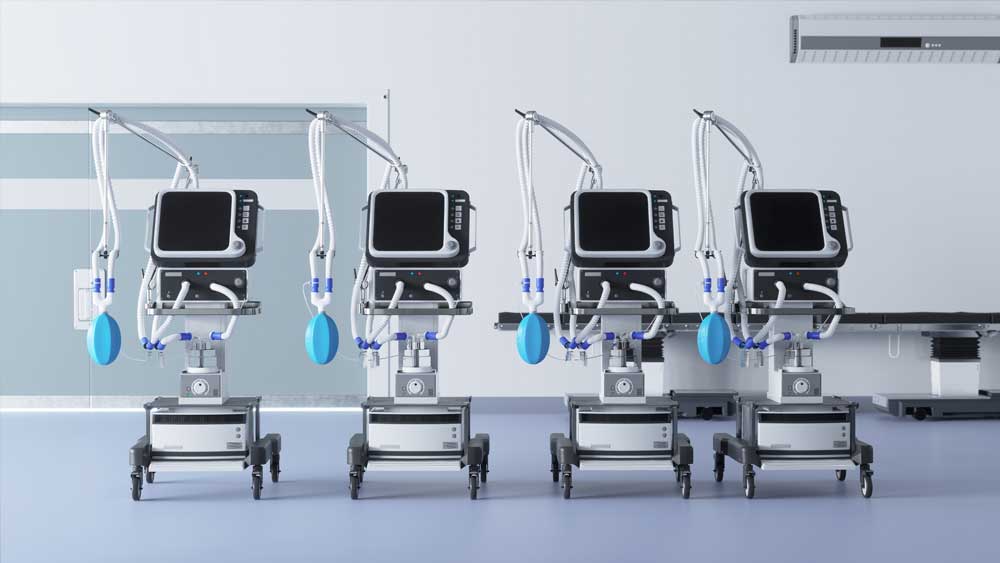
Avian Ventilation and Ventilators
During this time of the devastating COVID-19 pandemic, medical science is seeking a vaccine as well as drugs that will treat the symptoms. In the meantime, much has been reported on the ventilator, a lifesaving device that is used on the most serious cases.

Steller’s Jays, Dumpster-Diving, and Comparing What is Valuable
Springtime, in many places—especially Texas—is a very active time for birds.1 Nests are built. Mating and egg incubation leads to raising hatchlings. Before long, those hatchlings become fledglings. Bird life goes on—birds are fruitful, multiply, and fill their special niches on Earth.2
Monkey Fossil Confirms Neogene-Quaternary Flood Boundary
A newly published analysis of four fossil molar teeth from a monkey dug up along the left bank of the Yuruá River in the Peruvian Amazon is causing a great deal of evolutionary confusion.1 The problem is that this particular type of monkey has only been found previously in rocks of the same strata in North Africa.
Cities Are Quieter Now, But Not Silent as Owls
Although details differ according to where you are, it is often quieter these days due to stay-at-home restrictions on normally noisy human activities. Less loudness and more calmness—some of that can be good1—yet ongoing economic shutdowns can cripple or crush curtailed livelihoods. So it’s calmer now, but not completely silent.
Pages
