Regular Acts & Facts readers are aware that I write quite a bit about the methods secular scientists use to date the long ice cores extracted from the Greenland and Antarctic ice sheets. These scientists claim that the ice from deep within the cores is hundreds of thousands of years old. Because some consider the deep ice cores to be an unanswerable argument for an old earth, I have devoted much of my research time at ICR to the study of these methods.
Theoretical age models are the most common method of dating ice cores.1 These models implicitly assume millions of years; therefore, the vast ages assigned to the ice sheets are hardly surprising since millions of years are built in to the process.
Although biblical skeptics might concede this point, they would probably argue that the vast ages assigned to deep ice cores from Greenland were obtained by simple counting of (presumed) annual layers, a process seemingly independent of any assumptions about the age of the earth. However, a closer analysis of the methods used to date the central Greenland cores shows that old-earth assumptions did influence the dates assigned to these cores in both subtle and more obvious ways. Creation scientists can plausibly account for the vast ages assigned to even the deep cores from central Greenland.
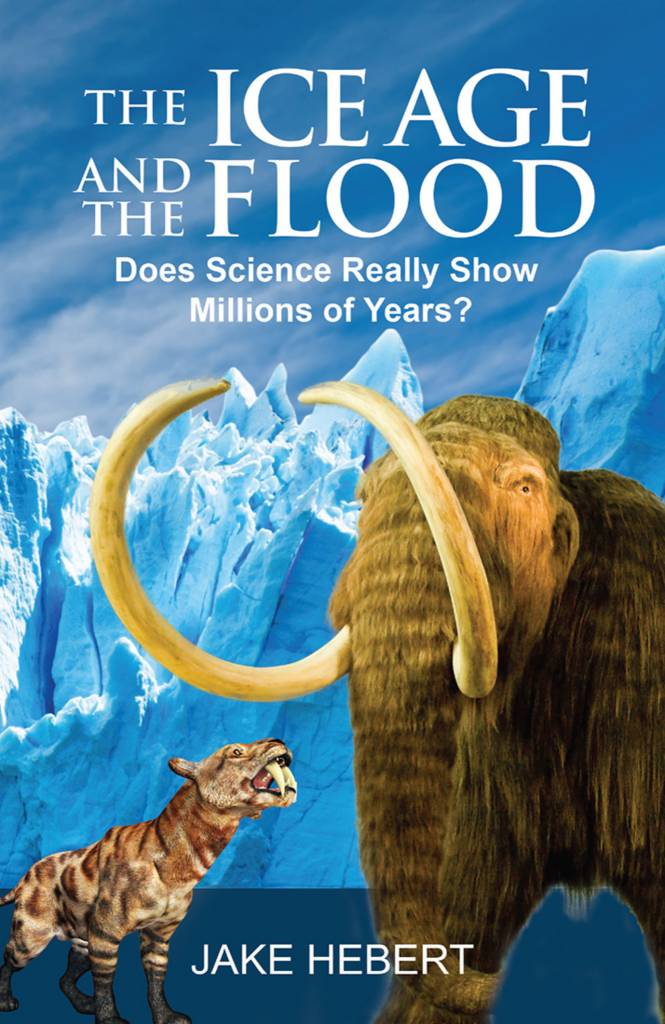
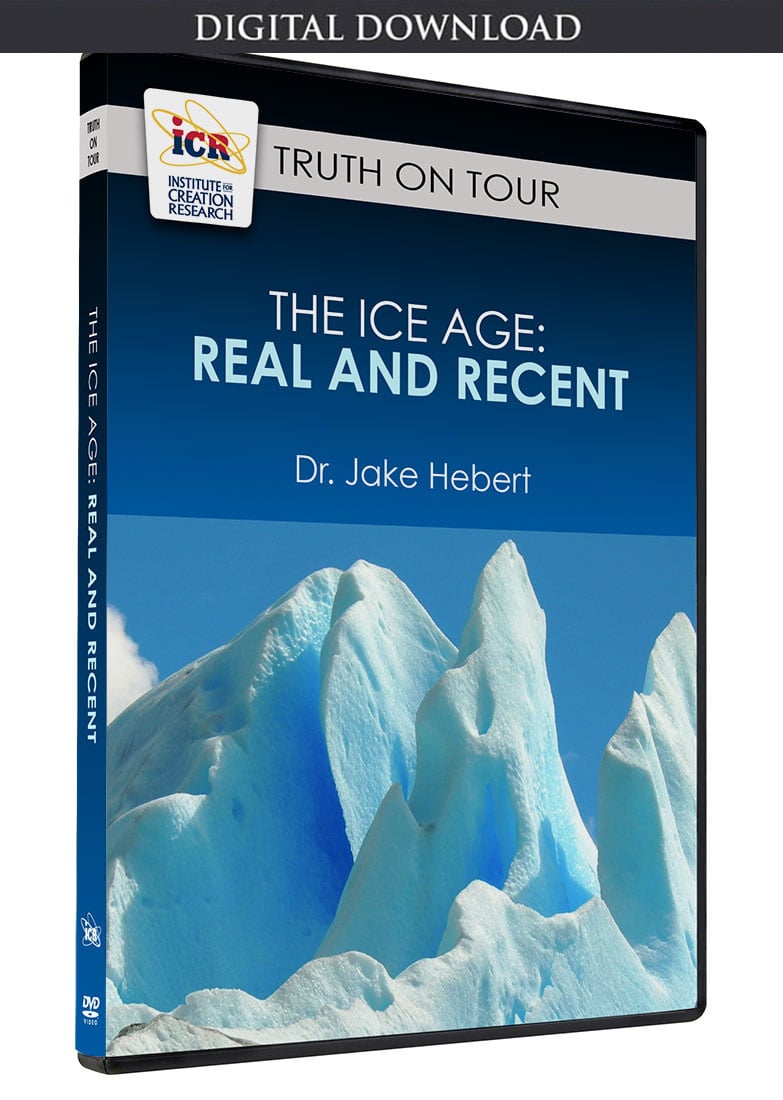
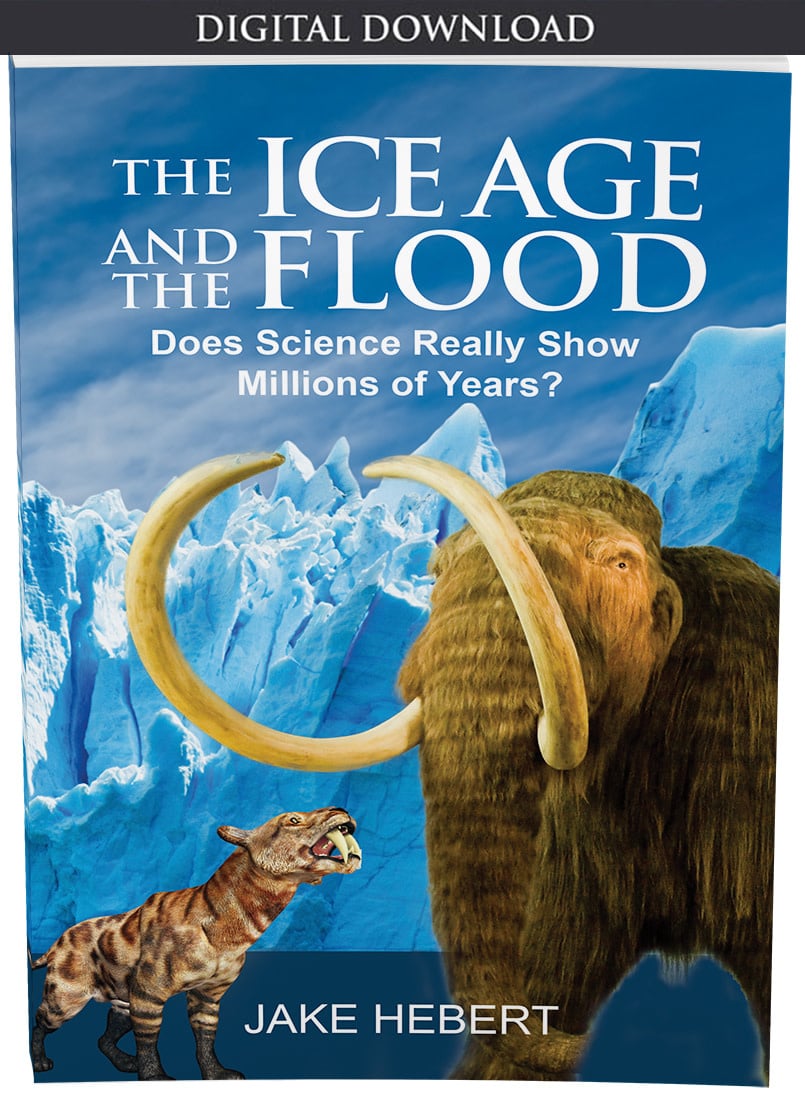
For interested readers, two sections of ICR’s website are devoted to the subjects of the Ice Age and the dating of the deep ice cores (icr.org/ice-age and icr.org/ice-cores). I’ve also published a three-part series of Impact articles on this subject titled “Ice Cores, Seafloor Sediments, and the Age of the Earth,”2,3,4 and popular-level resources are available on our online store, including a DVD and booklet.5
One might wonder why I discuss ice cores and seafloor sediments in the same articles. Aren’t they unrelated? Actually, the deep seafloor sediments play a major role in the secular dating of the ice cores. Secular scientists believe that chemical clues within the seafloor sediments tell a story of prehistoric climate change, a story that is dictated by subtle changes in summer sunlight within the northern high latitudes. These changes in sunlight are themselves thought to be the result of Milankovitch cycles—slow, periodic changes in Earth’s orbital and rotational motions as it goes around the sun. The Milankovitch hypothesis assumes that these cycles “pace” the many ice ages said to have occurred within the last 2.5 million years or so.
Secular scientists generally assume the Milankovitch hypothesis to be correct and use it to assign ages to the deep seafloor sediment cores. The seafloor sediment cores are then used to assign ages to additional sediment cores, as well as the ice cores. Ice cores are then used to date other sediment cores! The process is really a gigantic exercise in circular reasoning. For those who wish to study this topic in more depth, I have a number of published technical articles on the subject, the first of which listed below is available online.6,7
I am in the process of continuing this research. While I am not ready to publish my full results, I can say I am making some very interesting discoveries that I hope will eventually prove to be of great interest and encouragement to Bible-believing Christians as they proclaim the full authority and accuracy of God’s Word.
References
- Paterson, W. S. B. 1991. Why ice-age ice is sometimes “soft.” Cold Regions Science and Technology. 20 (1): 75-98.
- Hebert, J. 2014. Ice Cores, Seafloor Sediments, and the Age of the Earth, Part 1. Acts & Facts. 43 (6): 12-14.
- Hebert, J. 2014. Ice Cores, Seafloor Sediments, and the Age of the Earth, Part 2. Acts & Facts. 43 (7): 12-14.
- Hebert, J. and T. Clarey. 2015. Ice Cores, Seafloor Sediments, and the Age of the Earth, Part 3. Acts & Facts. 44 (1): 10-13.
- See The Ice Age: Real and Recent DVD and The Ice Age and the Flood: Does Science Really Show Millions of Years? at icr.org/store.
- Hebert, J. 2014. Circular Reasoning in the Dating of Deep Seafloor Sediments and Ice Cores: The Orbital Tuning Method. Answers Research Journal. 7: 297-309.
- Hebert, J. 2015. The Dating “Pedigree” of Seafloor Sediment Core MD97-2120: A Case Study. Creation Research Society Quarterly. 51 (3): 152-164.
* Dr. Hebert is Research Associate at the Institute for Creation Research and received his Ph.D. in physics from the University of Texas at Dallas.