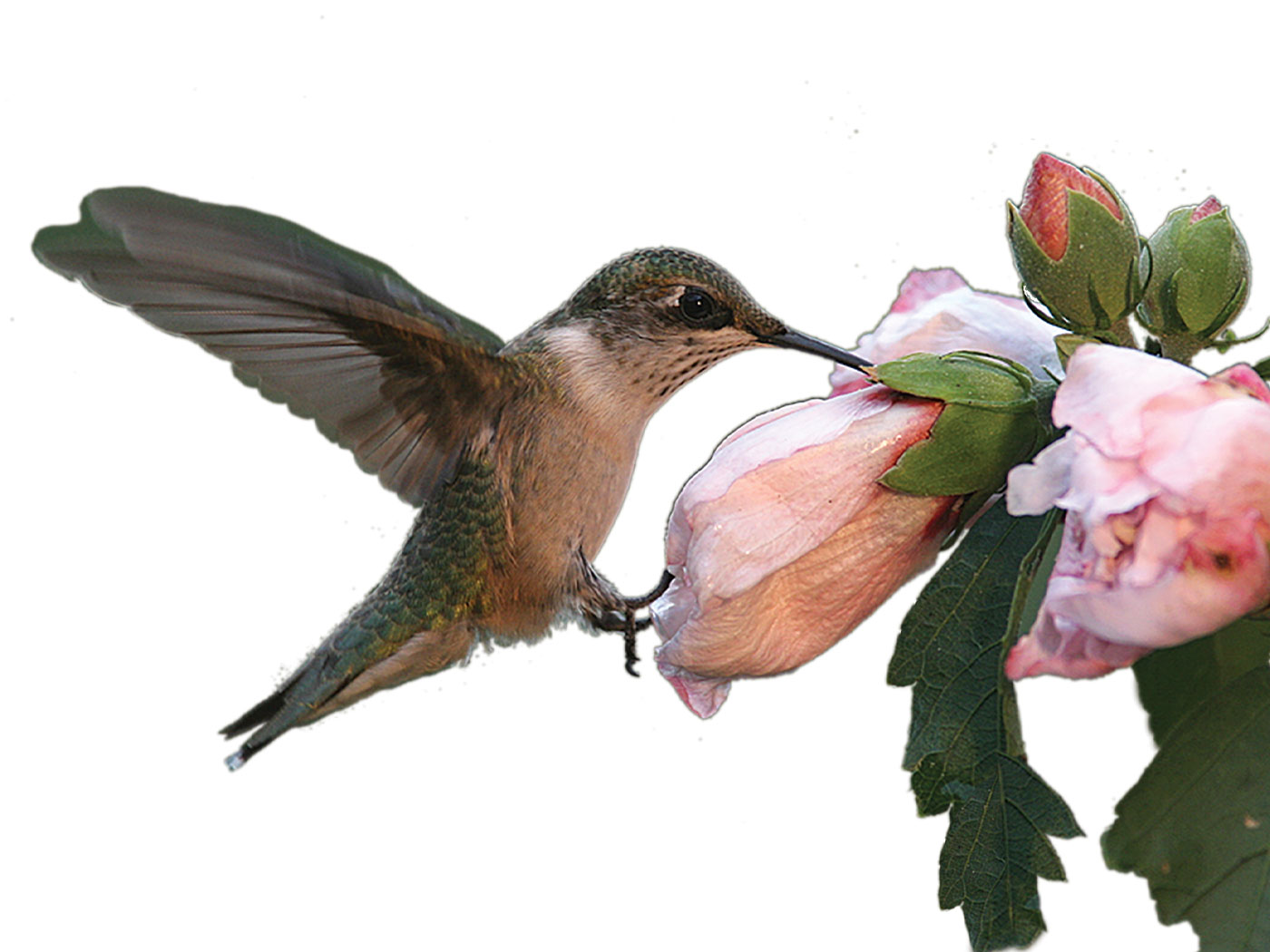
The tools of DNA sequencing are becoming cheaper to use and more productive than ever, and the deluge of DNA comparison results between organisms coming forth are becoming a quagmire for the evolutionary paradigm. To prop it up, biologists resort to ever more absurd explanations for discrepancies. A prime example of this trickery is in a recent DNA sequencing project performed in a microscopic aquatic multi-cellular animal called a rotifer.1
In this effort, the researchers targeted those gene sequences that are expressed as proteins for DNA sequencing because the genome was too large and complex to sequence and assemble all of its DNA. They recorded over 61,000 gene sequences that were expressed from rotifers grown in stressed and non-stressed conditions. Of these, they could only find sequence similarities between rotifers and other creatures for 28,922 sequences (less than half). The researchers tossed the unknown DNA sequences out of their analysis since the non-similar genes were novel, apparently specific to rotifer, and essentially difficult for evolution to explain.
Of the 28,922 sequences for which they could obtain a match in a public database of other creature's DNA and protein sequences, a significant proportion (more than in any other creature sequenced) did not fit evolutionary expectations of common descent. Further complicating this picture, the rotifer gene sequences were found in a diverse number of non-rotifer creatures!
Some of the creatures that had gene matches to rotifers included a variety of plants, other multicellular animals, protists (complex single celled animals), archaea, bacteria, and fungi.
Evolutionists have two options in which to categorize these unusual gene matches based on their naturalistic presuppositions. First, they can say that these genes evolved independently in separate creatures in a hypothetical process called "convergent evolution." However, in cases where there are literally hundreds of these DNA sequences popping up in multiple organisms, this scenario becomes so unlikely that even evolutionists have too much difficulty imagining it. The second option is called "horizontal gene transfer," or HGT. This involves the transfer of genes, perhaps via some sort of microbial host vector such as a bacterium.2
In the present report, the rotifer under study was asexual, limiting heredity as an option for aiding in gene transfer. So the researchers concluded that it stole hundreds of genes via HGT from a plethora of other creatures.
HGT is considered somewhat common among bacteria because they form connective tubes (called pili) and exchange little bits of DNA, like sharing software. Also, HGT can occur rarely between a bacterium and a multicellular host that it interacts with during its life cycle.3
How will rotifer researchers account for the massive transfer of hundreds of genes from a broad range of hosts that they believe includes 533 supposed source genomes for which no biological host-based relationships exists? Some sort of causal host relationship must occur for the transfer of one gene, let alone hundreds of genes from hundreds of sources.1
Another problem is that the researchers showed that the so-called "stolen genes" were well-integrated into the rotifer cell biochemistry and its environmental adaptation mechanisms. A separate 2012 study showed that highly expressed native genes could not be shared via HGT, even among bacteria, because they would severely disrupt essential cell biochemistry.4 And these are exactly the types of genes that were surveyed in the rotifer.
In this case, evolutionary biologists have resorted to fictional stories cloaked in technical terminology to escape the straightforward conclusion that rotifer DNA was purposefully crafted. If a large bunch of newly discovered genes don't make evolutionary sense, then evolution proponents ascribe their origin to HGT despite the fact that HGT is not known to operate without any host-based relationship. HGT is also not known to occur en masse, and HGT of essential genes is in theory impossible.4
The unique mix of rotifer genes along with their flawless biochemical integration into the rotifer's cell system, clearly and abundantly supports the special creation described in the Bible.
References
- Boschetti, C. et al. 2012. Biochemical Diversification through Foreign Gene Expression in Bdelloid Rotifers. PLOS Genetics. 8 (11): e1003035.
- For example, this author contributed to a report describing HGT from Wolbachia bacteria to fruit flies, parasitic wasps, and soil roundworms. See Dunning Hotopp, J. C. et al. 2007. Widespread Lateral Gene Transfer from Intracellular Bacteria to Multicellular Eukaryotes. Science 317 (5845): 1753-1756.
- HGT is also sometimes called lateral gene transfer, as opposed to the transfer of genes vertically through the germ line (heredity).
- Park, C. and J. Zhang. 2012. High Expression Hampers Horizontal Gene Transfer. Genome Biology and Evolution. 4 (4): 523-532.
* Dr. Tomkins is Research Associate at the Institute for Creation Research and received his Ph.D. in Genetics from Clemson University.
Article posted on December 3, 2012.