Electric organs help electric fish, such as the electric eel, do all sorts of amazing things: They send and receive signals that are akin to bird songs, helping them to recognize other electric fish by species, sex and even individual.1
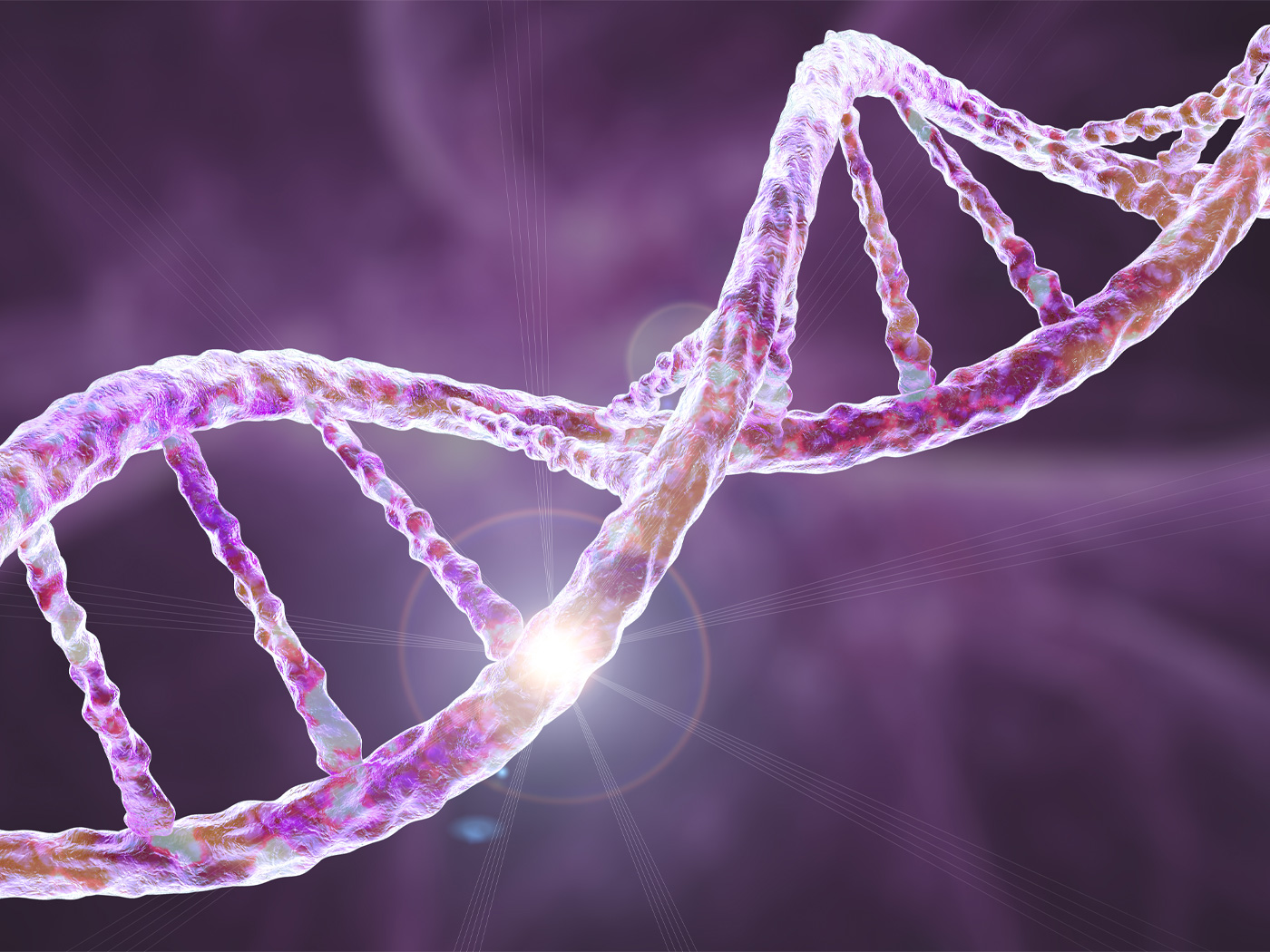
How did such an electric structure with these incredible abilities come about? Evolutionists say by the duplication of the gene that codes for submicroscopic sodium channels in muscles and sodium channel genes that have been repeatedly lost.1,2
But how do they know? The channels evolved allegedly by duplication in deep evolutionary time. In other words, in the unobserved past. Stephen Meyer addresses studies regarding the alleged evolution of various genes (that code, for example, sodium channels):
The evolutionary biologists conducting these studies postulate that modern genes arose as the result of these various mutational processes [duplication events, exon shuffling, retropositioning, lateral gene transfer, point mutations]— processes they envision as having shaped genes during a long evolutionary history.3
Award-winning creation scientist John Sanford, PhD—inventor of the biolistic particle delivery system, or "gene gun", wrote,
It is widely recognized that duplication, whether within a written text or within the living genome, destroys information. Rare exceptions may be found where a duplication is beneficial in some minor way (possibly resulting in some “fine tuning”), but this does not change the fact that random duplications overwhelmingly destroy information. In this respect, duplications are just like the other types of mutations.4
Regardless, evolutionists maintain electric organs evolved via duplication events.
To evolve electric organs, electric fish turned off one duplicate of the sodium channel gene in muscles and turned it on in other cells. The tiny motors that typically make muscles contract were repurposed to generate electric signals, and voila! A new organ with some astonishing capabilities was born.1
Of course, this is only a hypothesis.
What was the origin of these strange electric fish? "Their body shape is highly conserved [remaining unchanged throughout evolutionary time]. It has not changed much during 10 million years of evolution” stated an evolutionary biologist.5 Indeed, fish have always been fish. “They appear in the fossil record in the late Silurian period with fully formed jaws, and no forms intermediate between agnathans and gnathostomes are known.”6
Creationists see these wonderful fish as having been created as fish complete with the electric organ. But evolutionists state, “Evolution took advantage of a quirk of fish genetics to develop electric organs.”1 How is appealing to a “quirk” any more scientific than to appealing to the Creator?
Electric organs are found in no less than 500 species of fishes from the elephant nose to the skate, “Such an independent appearance of electric organs represents an example of convergent evolution”7 But citing convergent evolution should be cold comfort to the evolutionist.
[Convergence] doesn’t fit into the accepted evolutionary scheme. It draws attention to the undoubted similarity of different organisms, or their traits. Yet many such organisms share these similarities even though they were not present in their supposed common ancestor. . . Convergence, therefore, undermines the assumption that similarity is the result of common ancestry.8
To say that electric organs are complex is an understatement. A group of evolutionists said, “Many highly convergent adaptations are also complex, which makes their repeated emergence surprising.”9
If “small genetic changes enabled electric fish to evolve electric organs”1 then these very same changes had to occur randomly hundreds of times over evolution’s great ages, “...they have repeatedly evolved these incredible traits.”1 It’s no wonder their repeated emergence is surprising! Fish were created as fish on Day 5 of the creation week thousands of years ago.
References
1. Staff Writer. How electric fish were able to evolve electric organs. Phys.org. Posted on phys.org June 1, 2022, accessed June 2, 2022.
2. Futuyma, D. and M. Kirkpatrick. 2017. Evolution. Sinauer Associates, Sunderland, Massachusetts. 349.
3. Meyer, S. 2013. Darwin’s Doubt. New York: HarperCollins, 212.
4. Sanford, J. 2014. Genetic Entropy. FMS Publications, 224.
5. Staff writer. A new species of electric eel produces the highest voltage discharge of any known animal. Phys.org. Posted on phys.org September 10, 2019, accessed June 2, 2022.
6. Hickman, et al. 2020. Integrated Principles of Zoology. McGraw Hill. 525. Emphasis added.
7. Kardong, K. 2012. Vertebrates: comparative anatomy, function, evolution. McGraw Hill, 373.
8. Bethell, T. 2017. Darwin’s House of Cards. Discovery Institute Press, 115.
9. Heyduk, K. et al. 2019. The genetics of convergent evolution. Nature Reviews Genetics. 20:485-493.
*Dr. Sherwin is Research Scientist at the Institute for Creation Research. He earned an M.A. in zoology from the University of Northern Colorado and received an Honorary Doctorate of Science from Pensacola Christian College.