You might recall that viruses act as miniscule infectious agents. They forcibly enter a cell and conquer its molecular machinery. The cell is instructed, via viral DNA, to stop making its normal cellular parts and instead make more viruses by transcription and replication. As more and more viral parts are manufactured, the cell breaks apart—its wall rupturing in a process called lysis. Then newly-formed viruses are released and infect other cells.
Viruses infect people, plants, and animals. But there are also viruses that infect tiny bacteria. These are called bacteriophages, or simply phages. Phages duplicate (replicate) within the bacterium following the injection of their genetic material (genome) through the bacteria’s cell wall and into the bacterial cytoplasm. Bacteriophages contribute to marine health by a cyclic lysing of a majority of bacteria in the oceans every 24 hours. This designed process helps to prevent bacterial population explosions as well as cycling carbon in the oceanic food webs.1
At the turn of the 21st century, the complexity of bacteria (organisms that don’t have a nucleus) was well-known.2 Now, in 2019 researchers have said, “With new technologies [e.g., time-lapse fluorescence microscopy and cryo-electron tomography] we can start to understand the amazing inner life of bacteria and look at all of their very sophisticated organizational principles.”3
What was discovered? University of California San Diego researchers have “provided the first example of cargo within bacterial cells transiting along treadmill-like structures in a process similar to that occurring in our own cells.”3 There is a significant difference between bacterial and human cells, but amazingly the “phage convert the [bacterial] cells they have infected into mammalian-type cells with a centrally located nucleus-like structure, formed by a protein shell surrounding the replicated phage DNA.”3
“The way this giant [Pseudomonas] phage replicates inside bacteria is so fascinating,” said Vorrapon Chaikeeratisak of UC San Diego. “There are a lot more questions to explore about the mechanisms that it uses to take over the bacterial host cell.” Like all microbial research, this particular investigation “also brought new questions about the transportation and distribution mechanisms within bacterial cells.”3
Evolutionists say, “These phages have evolved a sophisticated and directed mechanism of transport using filaments to replicate inside their hosts.”3 Whereas creationists say, “These phages are designed with a sophisticated and directed mechanism of transport using filaments to replicate inside their hosts.” The first statement relies on time and chance—the second on plan and purpose.
References
1. Suttle, C. A. 2005. Viruses in the sea. Nature. 437 (7057): 356–61.
2. Sherwin, F. 2001. Just How Simple Are Bacteria? Acts & Facts. 30 (2).
3. Viruses found to use intricate ‘treadmill’ to move cargo across bacterial cells. ScienceDaily. Posted on ScienceDaily.com June 13, 2019, accessed June 23, 2019; Sherwin, F. 2004. Molecular Motors vs. Evolutionism. Acts & Facts. 33 (4).
*Mr. Sherwin is Research Associate is at ICR. He earned his master’s in zoology from the University of Northern Colorado.
Bacteria-Infecting Viruses Reveal Creation Sophistication
More Only God Could Have Made Cells
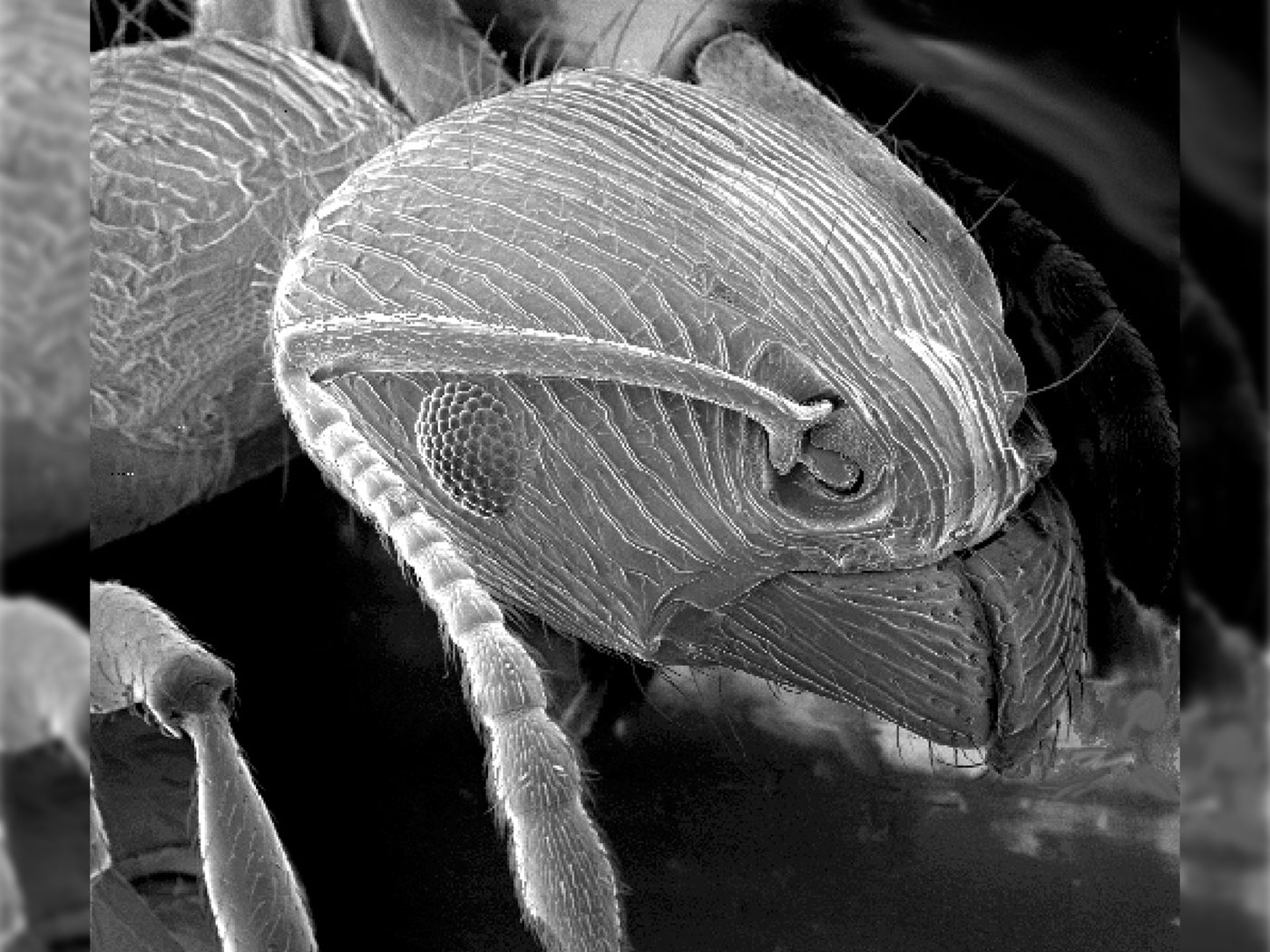
Ant Super Smell: A Masterclass in God's Genetic Engineering
To an ant, the world is written in scent—and they read it with uncanny precision. A single colony can recognize thousands of chemical cues that...

Engineered Genomic Changes in Adaptation
Programmed genome rearrangements (PGRs) are deliberate, genetically controlled changes in an organism’s DNA sequence and chromosome structure...
Hacked Genome Damages Cell, Declares Creator's Genius
Researchers have just reported a newly recoded bacterial genome in which genetic optimization was markedly reduced.1 Optimization is a principle...
More Creation Science Update
Solving the Mysterious Appearances of Duck-billed Dinosaurs
A new discovery of a duck-billed dinosaur was announced in southern Chile.1 And not only does this new dinosaur lack identifiable ancestors,...
Jellyfish Can Learn Directions
Like all animals, “simple” invertebrates such as the jellyfish continue to amaze zoologists.1,2
Recently, scientists have...
Does Iron Toast Union Rescue Long Ages?
The puzzle persists after all these years. On the one hand, biochemists perform decay rate studies that show biochemicals cannot last a million years...
The Latest
Man and His Labor
“Man goeth forth unto his work and to his labour until the evening.” (Psalm 104:23)
The 104th Psalm is a beautiful psalm of creation and...
Changing Climates, Stable Primates
What do you picture when you think of the first primates? Conventional scientists have long proposed warm forests, thick vines, and tropical heat as...

September Wallpaper
"[Cast] all your care upon Him, for He cares for you." (1 Peter 5:7, NKJV)
ICR's September 2026 wallpaper is now...
Life’s Origins: The Bootstrap Problem
Could life’s instructions exist without ever being made? This question raises what is called a “bootstrap problem.”1 It...
The Power of a Meek Life
One of the clearest voices calling believers to surrender to Jesus was George Whitefield, who said, “I have just put my soul as a blank into the...

Extent of the Curse and the Hope of Redemption
“For we know that the whole creation groaneth and travaileth in pain together until now.” Romans 8:22*
At the end of the sixth day of...

Modern Idolatry: Crediting Natural Selection as the Creator
“Have no other gods before Me.” Exodus 20:3
In the beginning God created the heavens and the earth” (Genesis 1:1). The Creator...
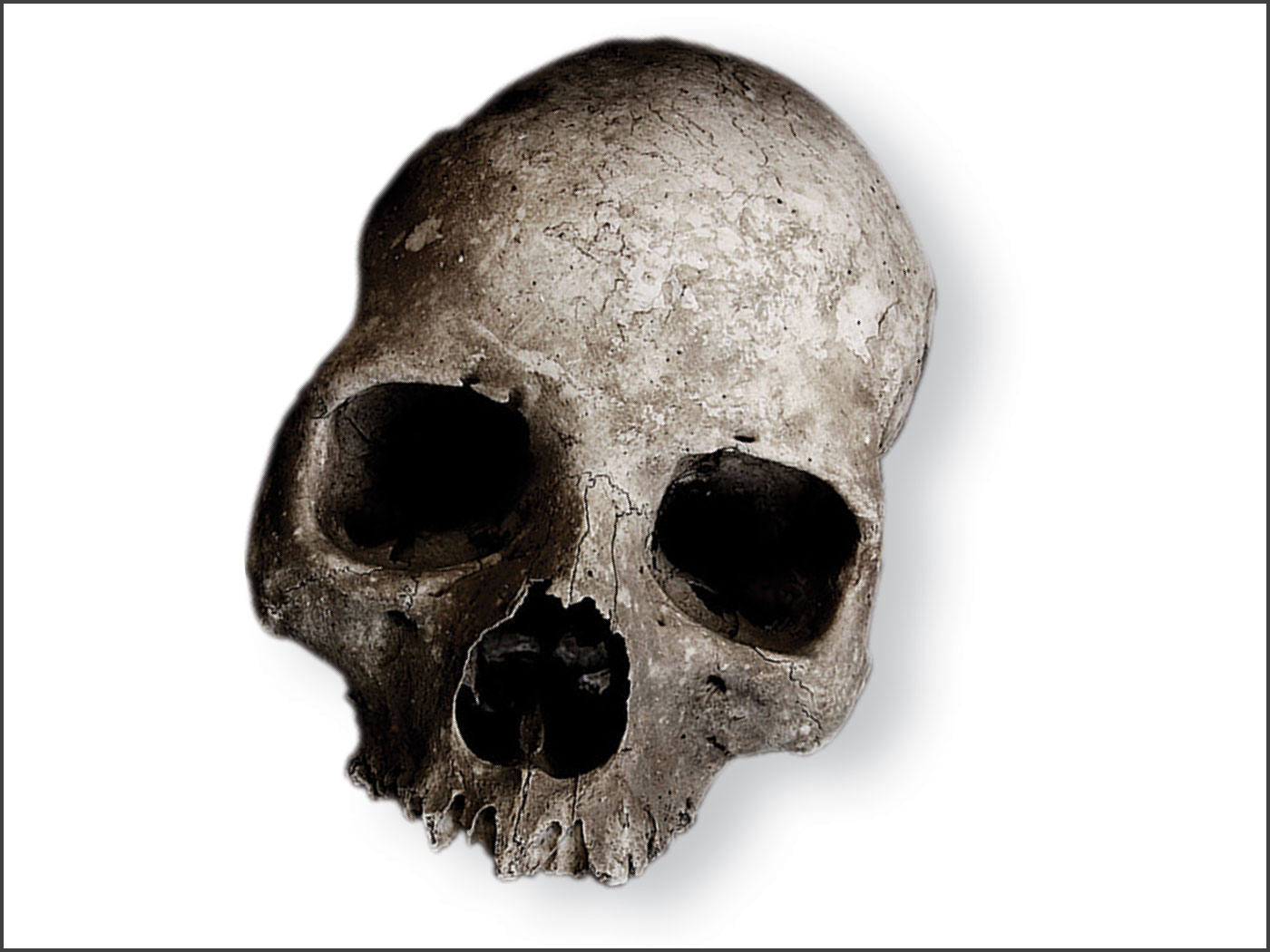
Is Death a Curse or Life’s Change Agent?
“The last enemy that will be destroyed is death.” 1 Corinthians 15:26
Without a doubt, there is a sting to death that is felt by Christians...
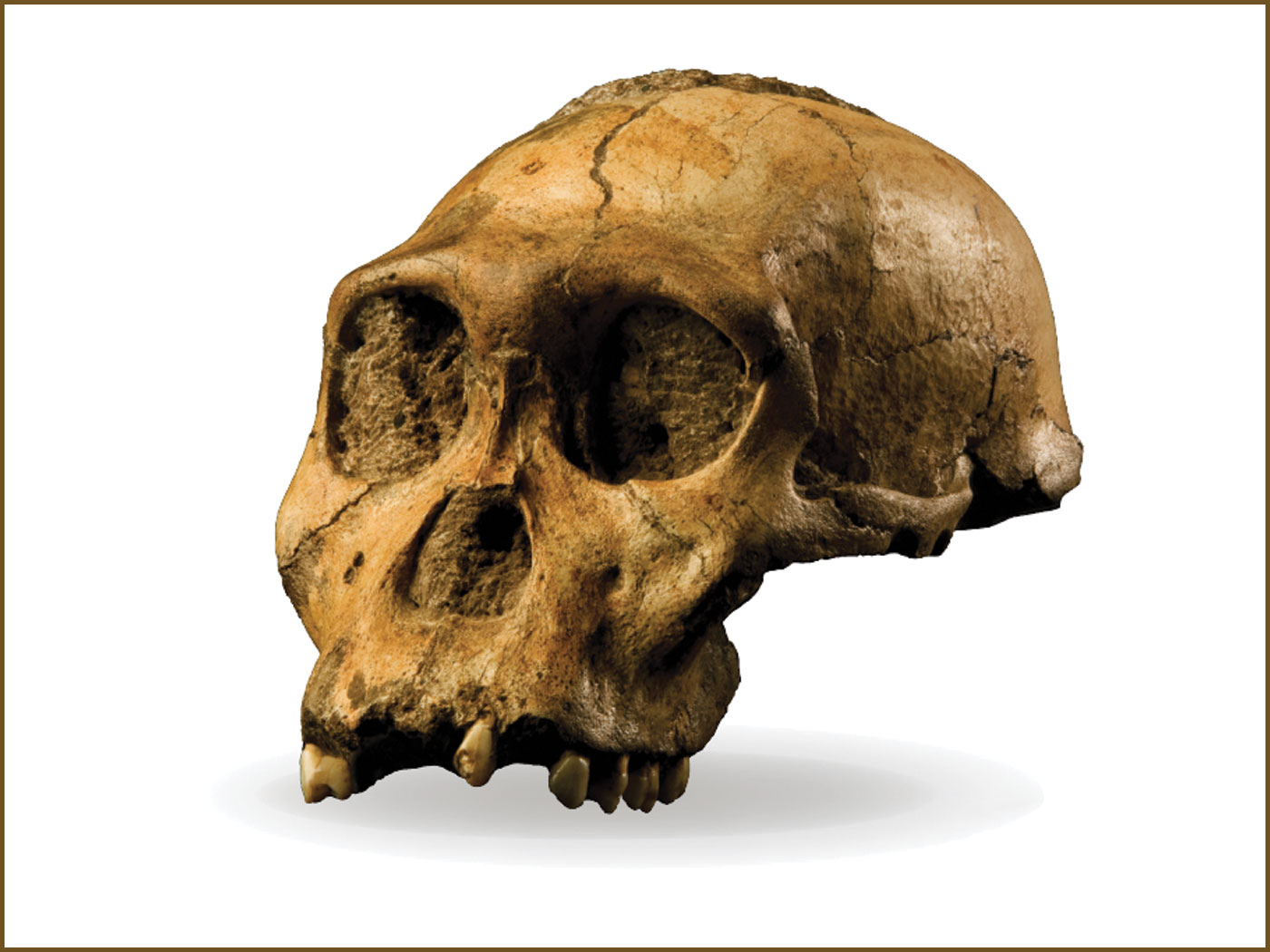
A Literal First Adam and Redemption in Christ
“ . . . the son of Enosh, the son of Seth, the son of Adam, the son of God.” Luke 3:38
Was there a literal Adam created along with his...

How Can Anyone Believe There Was a Global Flood?
“Whereby the world that then was, being overflowed with water, perished.” 2 Peter 3:6*
I am often asked, “Where is the evidence...
Shop Related Products