




If Pronghorns You Chase, They’ll Win the Foot-Race
Many urban and suburban recreational opportunities are closed to public use, yet many rural and wilderness areas now are reopening to allow recreational visits.
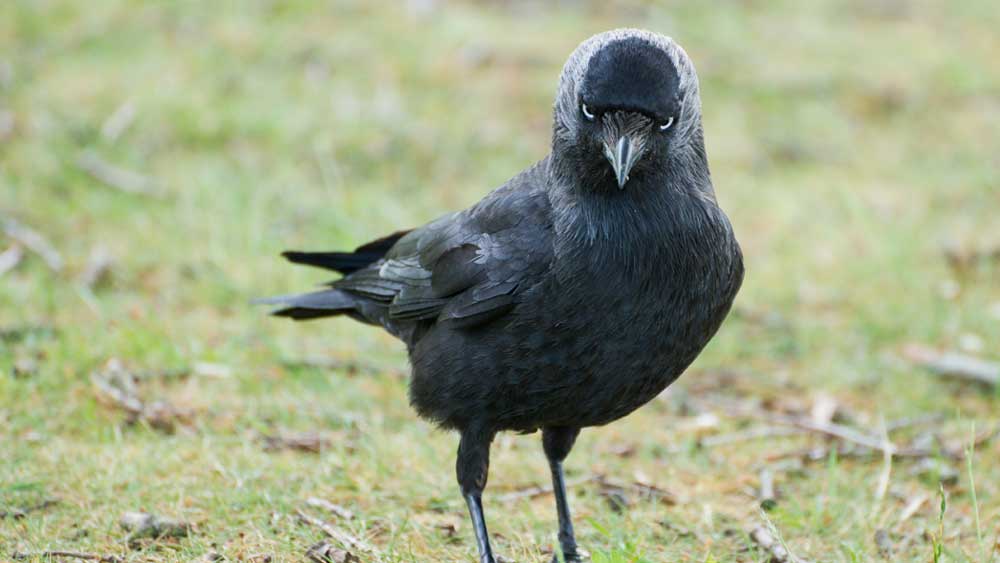
Jackdaws Identify "Dangerous" from "Safe" Humans
Don’t think that humans have a monopoly on “social distancing”—because even birds are prudent in physical distancing, depending on the contingent hazards that they perceive nearby.1,2 And birds, like humans, warn one another about the dangers they see, and how best to avoid them.2-4
Steller’s Jays, Dumpster-Diving, and Comparing What is Valuable
Springtime, in many places—especially Texas—is a very active time for birds.1 Nests are built. Mating and egg incubation leads to raising hatchlings. Before long, those hatchlings become fledglings. Bird life goes on—birds are fruitful, multiply, and fill their special niches on Earth.2

Avian Ventilation and Ventilators
During this time of the devastating COVID-19 pandemic, medical science is seeking a vaccine as well as drugs that will treat the symptoms. In the meantime, much has been reported on the ventilator, a lifesaving device that is used on the most serious cases.

Norwegian Rats, Archaeologists, and Plagues of the Past
Earth has experienced terrible pandemics before coronavirus.
Earlier this month, as archaeologists were researching an old Viking trade route in central Norway, they reminded us that Eurasia’s “Black Death” plague previously blanketed many Nordic countries about 600 years ago.1, 2
Pages
