In his book Creation: Facts of Life, biologist Gary E. Parker asked:
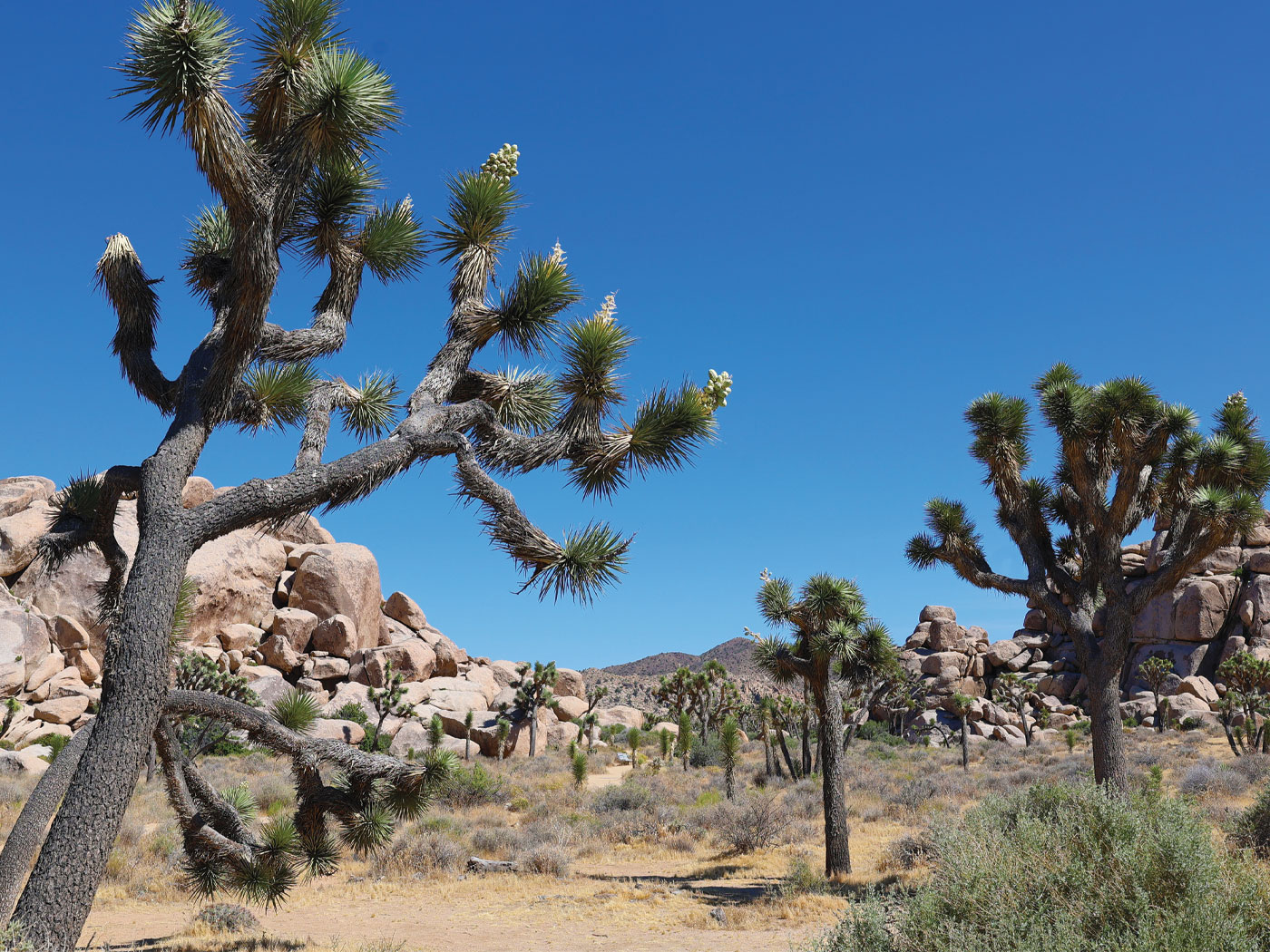
Did you ever wonder what kind of plants the dinosaurs tromped around on? The answer may surprise you. Some of these unfamiliar animals wandered around among some very familiar plants: oak, willow, magnolia, sassafras, palms, and other such common flowering plants.
Now the orchid can be added to Parker's list, according to a fossil analysis by Harvard University biologists that was published August 30, 2007, in Nature.
The scientists found a mass of orchid pollen (Meliorchis caribea) on the back of a stingless bee (Proplebeia dominicana) preserved in an amber encasement from approximately "15 million to 20 million years ago."
Santiago R. Ramirez, a researcher in Harvard's Museum of Comparative Zoology and the study's lead author, said orchids have fascinated evolutionary biologists since the time of Darwin. Orchids have been "absent from the fossil record," he suggested, due to their infrequent blooming cycle and concentration in tropical areas where heat and humidity prevent fossilization.
The age of orchids has long been debated by evolutionary scientists, who have placed the flowers anywhere from 26 to 112 million years old. The Harvard find suggests "orchids are old enough to have coexisted with dinosaurs" and that "flowering plants arose some 76 million to 84 million years ago, much longer ago than many scientists had estimated."
But though the bee mentioned above is extinct, according to the researchers, the analysis of the pollen load on its back places the orchid from which it comes "firmly within one of the five extant subfamilies of orchids."
"By applying the so-called molecular clock method, the scientists...|t|o their surprise...found that certain groups of modern orchids, including the highly prized genus Vanilla, evolved very early during the rise of the plant family."
In other words, they found that the supposedly 15- to 20-million-year-old pollen belonged to orchids we can find and observe today. Why, then, did the orchid not "evolve" with other living organisms?
Discoveries such as this fit the creation model perfectly because the Bible states that God created plants and animals "after their kind." We would not expect to find any incontrovertible transitions between one kind and another kind, either for plants or animals.
Fossil plants and animals are found complete and fully formed (often identifiable down to the species level!) farther back in "geologic time" than evolutionary theory would predict, with no indication of their supposed evolutionary ancestors.
Even in his 1859 book The Origin of the Species, Darwin did not actually address how species originated, including that of flowering plants, which he later called an "abominable mystery."
The late Colin Patterson of the prestigious British Museum of Natural History also admitted,
The origin of the angiosperms |flowering plants|, an "abominable mystery" to Charles Darwin, remained so 100 years later and is little better today. ("Congruence between Molecular and Morphological Phylogenies," Annual Review of Ecology and Systematics. Vol. 24, 1993, p. 170)
Flowering plants are as much a testament to our Creator as they are an evolutionary enigma.