According to Genesis, all creatures of the earth were created within days of each other—including dinosaurs and humans. A common question in response to this is "If dinosaurs and man lived at the same time, why aren't their fossils found together?"
Bird bones and egg shell fossil fragments from a waterside bird colony are sending clues from the long-ago past to help solve this quandary.
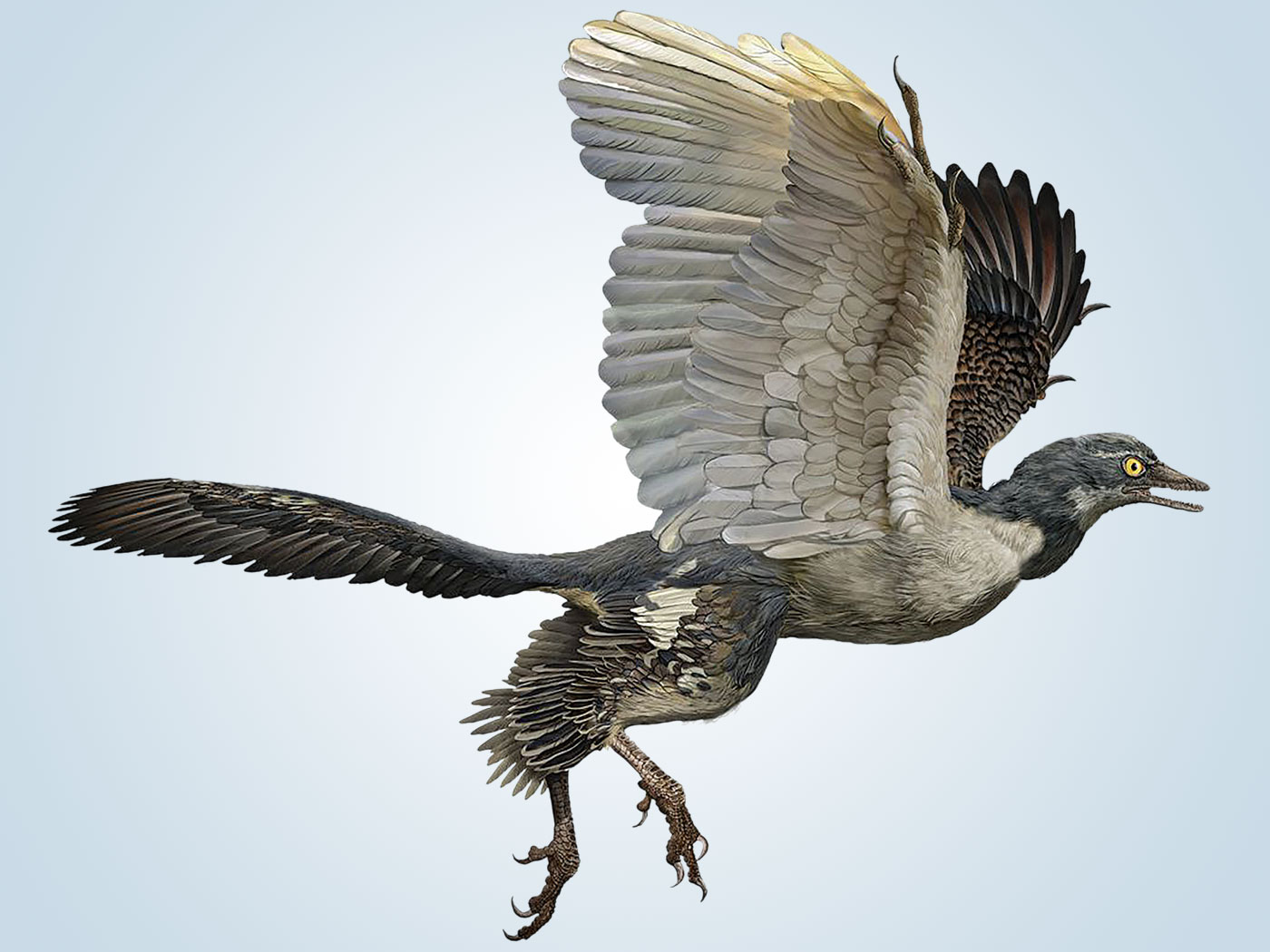
The fossilized colony found in Romania was apparently a victim of a watery disaster. Despite their toothed beaks and small claws, the birds looked very much like modern water fowl. The Cretaceous strata in which they were found also contained herbivorous dinosaurs and other creatures.
Researchers theorized that the nest must have been near a river or other body of water. When it flooded, "the water sweeping across the colony picked up broken eggshell, any remaining eggs and birds, and carried them a few meters across to a shallow depression, perhaps present on the other side of the colony," the University of Southampton's Darren Naish told Discovery News.1
The remains were found "buried under layers of sediment," and according to Naish, "the flooding was actually a quick 'swamping' or 'drowning.'"1 Ducks can fly faster than 60 miles per hour, so if the extinct birds were anything like ducks, the mud waters that buried them must have moved significantly faster.2
Naish explained that the ancient catastrophe overtook "cow-sized plant-eating dinosaurs, a bird-like predatory dinosaur known as Balaur, rodent-like mammals, and one of the world's largest pterosaurs," since their remains appear together.1 (Despite this assertion, Balaur was not actually bird-like.3) Considering the natures of these various creatures, it makes sense that they lived in or near a swamp with plenty of water and vegetation.
Similarly swampy menageries characterize many Cretaceous fossil sites. For example, one study of fossilized dinosaur skin stated that the Lance Formation in North America contained "remains of cartilaginous and bony fishes, amphibians, champsosaurs, turtles, lizards, snakes, crocodilians, pterosaurs, dinosaurs, birds, and mammals."4
Also, an inventory of fossils in the Straight Cliffs Formation at the Grand Staircase-Escalante National Monument in Utah reported "plants, petrified wood, leaves, carbonized wood, pollen, corals, bryozoans, snails, clams, ammonoids, sharks, fish, salamanders, frogs, turtles, lizards, crocodiles, pterosaurs, dinosaurs, [and] mammals."5 The researchers also reported fossilized birds in the layers above.
From these and similar assemblages, it appears that fast-moving mud overtook beasts and birds that lived in or near water.6 If people existed at that time, why aren't they found with these fossils? Humans probably would not have wanted to live in swampy conditions with some of those creatures—such as crocodiles, pterodactyls, dinosaurs, and even colonies of water fowl—so it makes sense that their remains wouldn't appear in the same places.
According to the Bible's reliable history, dinosaurs and man did live at the same time. The large dinosaurs would have been some of the "great beasts" created on Day Six of the creation week, and one of them must have been in Job's vicinity after the Flood, since God told him to "behold now behemoth, which I made with thee."7
Many of the creatures, like mammals and birds, that appear with dinosaurs in fossil graveyards are still around today. And until there's hard evidence proving otherwise, science shouldn't ignore the likelihood that humans lived at the same time as dinosaurs, but in more hospitable places.
References
- Viegas, J. Dino-Era Disaster: Multiple Drowned Toothy Birds. Discovery News. Posted on news.discovery.com November 3, 2011, accessed November 15, 2011, reporting on research in Dyke, G. et al. A Drowned Mesozoic Bird Breeding Colony. Presented at the Society of Vertebrate Paleontology's 71st Annual Meeting, Las Vegas, Nevada, November 3, 2011.
- How Fast and High Do Birds Fly? Stanford University Fact Sheet, accessed November 15, 2011.
- Thomas, B. Newfound Kickboxing Dinosaur Has Puzzling History. ICR News. Posted on icr.org September 15, 2010, accessed November 16, 2011.
- Wegweiser, M. D. et al. 2004. Paleoenvironmental and Diagenetic Constraints on Late Cretaceous Dinosaur Skin from Western North America. The Sedimentary Record. 2 (1): 4-8.
- Gillette, D.D. and M. C. Hayden. 1997. A Preliminary Inventory of Paleontological Resources within the Grand Staircase-Escalante National Monument, Utah. Utah Geological Survey, Circular 96.
- For another example, see Thomas, B. Dinosaur Fossil 'Wasn't Supposed to Be There.' ICR News. Posted on icr.org April 14, 2011, accessed November 15, 2011.
- Job 40:15
* Mr. Thomas is Science Writer at the Institute for Creation Research.
Article posted on November 22, 2011.