Fresh tissues continue to be found in supposedly millions-of-years-old fossils. These un-replaced, un-mineralized, still-soft tissues come from animals or plants that were preserved by some catastrophic event.1 Each specimen looks young, and a direct inference is that its host rock must also be dated as thousands, not millions, of years old. And the fresher the meat, the more ridiculous are the evolution-inspired claims of great antiquity for the rock in which it was discovered.
These tissue finds are typically accompanied, in either the technical literature or science news, by the phrase "remarkable preservation." If one is to believe in the great ages assigned to these artifacts, then the quality of preservation is beyond "remarkable"--it is not scientifically possible in such a context. This is, of course, why authorities increasingly offer assurances that soft tissues, despite what is known about their decay rates, can somehow be preserved for millions of years.
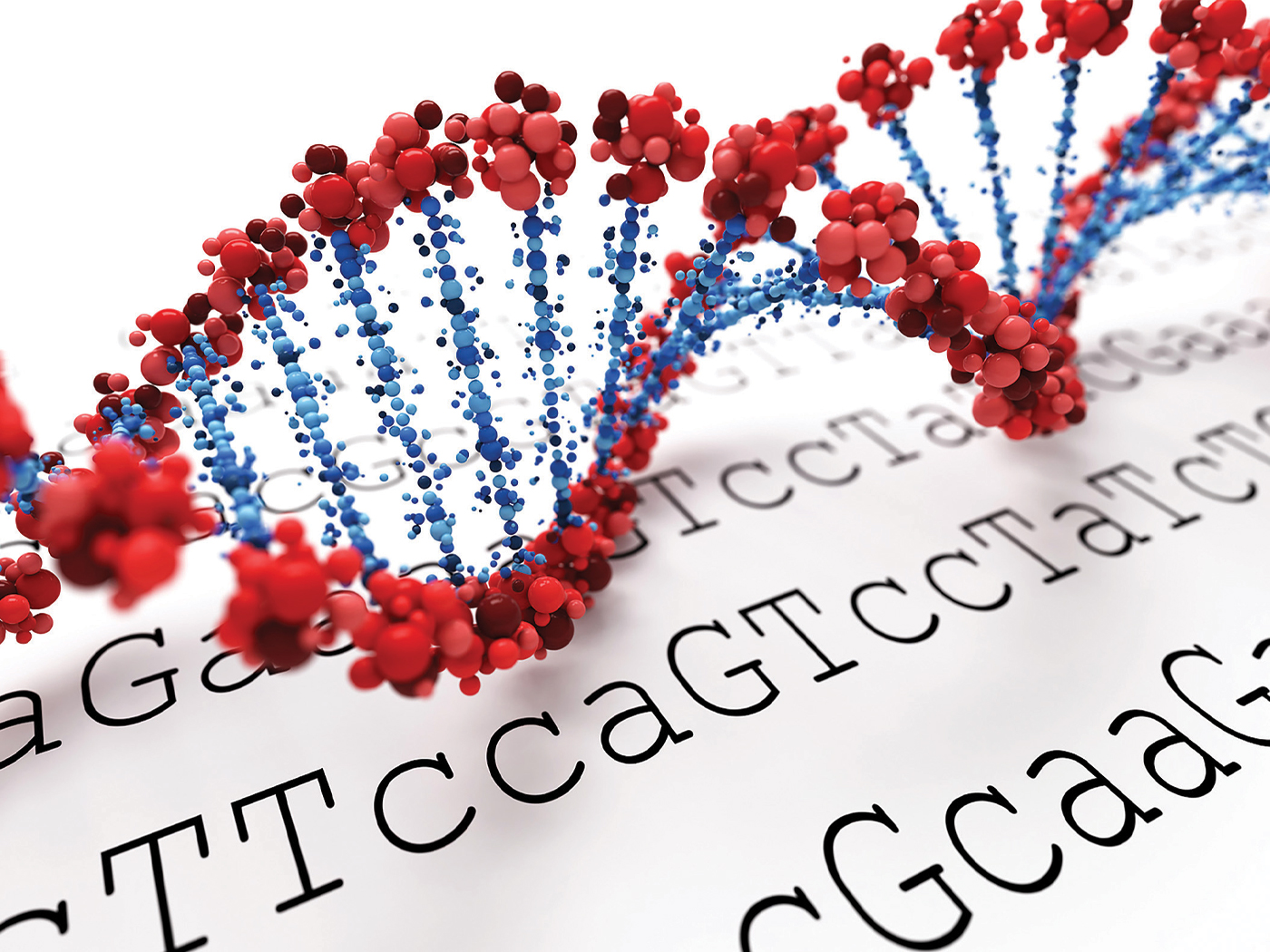
For example, Melanie Mormile of Missouri University recently told Discovery News that when other researchers recovered intact DNA from bacteria trapped in "419 million-year-old" salt deposits, this showed "that these organisms can somehow survive for these amazing amounts of time."2 A similar assertion came in a recent airing of CBS News' 60 Minutes. Reporter Lesley Stahl interviewed Dr. Mary Schweitzer, who proved beyond any reasonable doubt in early 2009 that soft tissues, including several different proteins like collagen, had been extracted from a hadrosaur.3 At one point, Schweitzer showed Stahl soft tissue from a Tyrannosaur. Stahl then commented, "It looked like the soft tissue she would have expected to find if it had been modern bone. This was impossible. This bone was 68 million years old."4 Stahl's statement that it is "impossible" makes more sense than the implied assurance from Schweitzer that these discoveries are somehow indeed possible in the context of "80 million years."
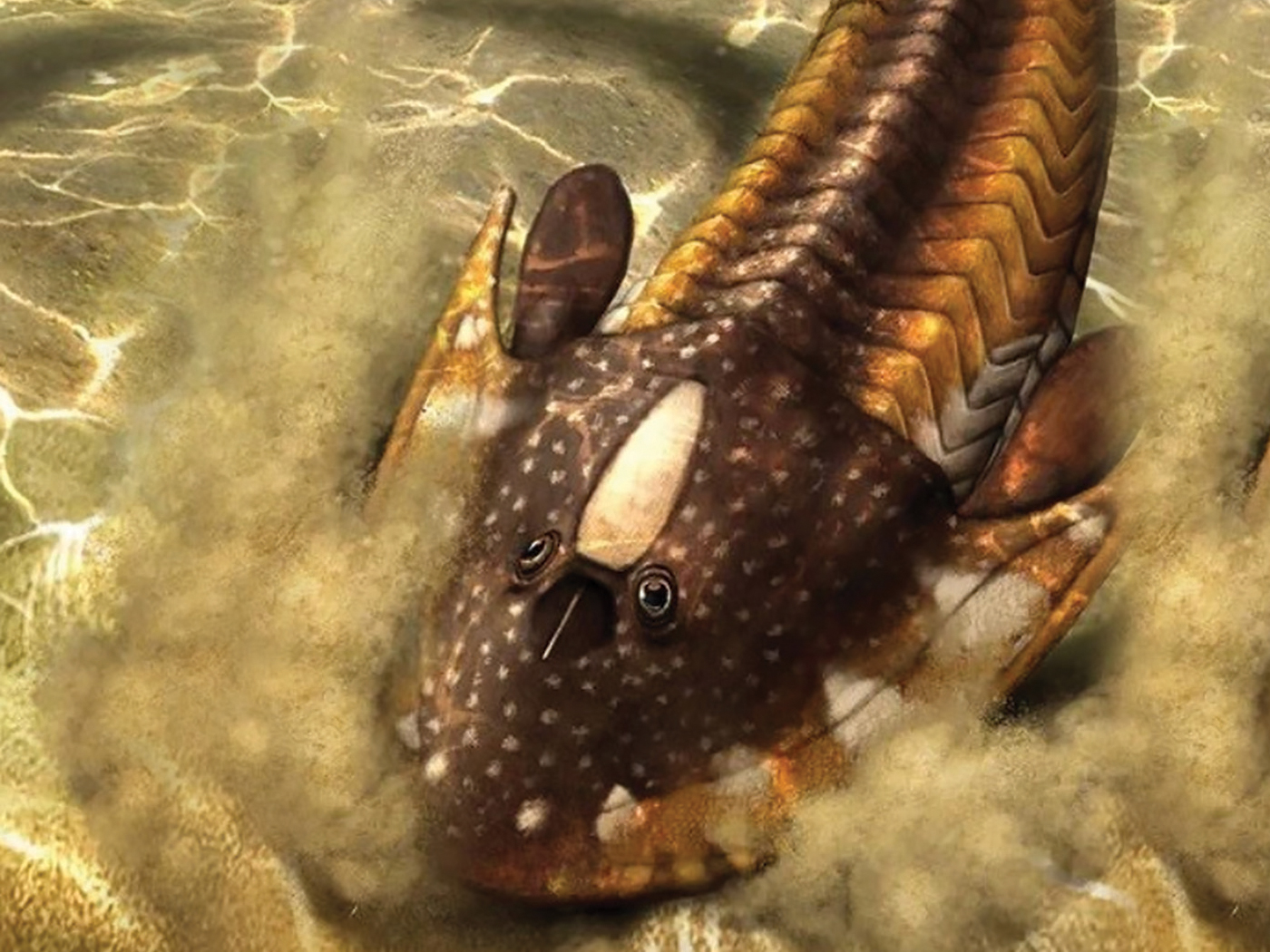
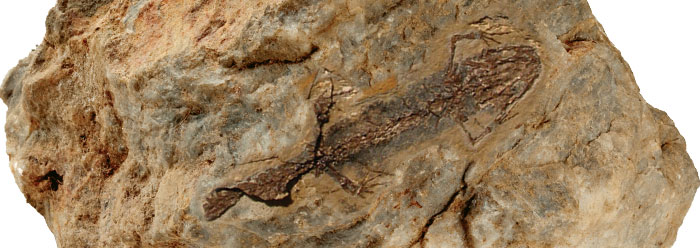
A more recent finding was claimed to be the "highest quality soft tissue preservation ever documented in the fossil record."5 Paleontologists found intact, mostly desiccated muscle--complete with blood-filled vessels--in a fossilized salamander that had been removed from the Ribesalbes Lagerstatte deposit near Castellon in northeast Spain. This geologic formation probably resulted from a local, explosive event.
Reporting in the journal Proceedings of the Royal Society B, the researchers made it quite clear that "the detail revealed by TEM [transmission electron microscopy] imaging unequivocally identifies the organic remains as fossilized musculature from the salamander itself."6 They did not comment on the trouble these tissues bring to evolution's assumption of deep time, but their silence regarding the "elephant in the room" question of how a "fresh" fossilized salamander could exist after millions of years does not diminish the question's relevance.
When it comes to evidence that earth's igneous rocks are young, ICR-sponsored research found it in spades in the form of an abundance of trapped helium in granites and still-ticking carbon-14 clocks in diamonds.7 Now, when it comes to scientific evidence that sedimentary rocks are much younger than evolutionary scientists claim, there is perhaps no clearer message than that provided by fresh tissues in fossils.
References
- These remains must have been deposited catastrophically, either as a result of Noah's Flood or from smaller, local post-Flood catastrophes. Although each deposit must be carefully and individually interpreted, it is possible to generalize that fossils found from the Cambrian up to the Cretaceous strata were Flood-deposited, and fossils found in Cenozoic Era were post-Flood.
- Reilly, M. World's Oldest Known DNA Discovered. Discovery News. Posted on discovery.com December 17, 2009, accessed December 18, 2009.
- Schweitzer, M. H. et al. 2009. Biomolecular Characterization and Protein Sequences of the Campanian Hadrosaur B. Canadensis. Science. 324 (5927): 626-631.
- B-Rex. 60 Minutes. Aired on CBS November 15, 2009. Accessed online November 19, 2009.
- Ancient muscle tissue extracted from 18 million year old fossil. University College Dublin press release, November 5, 2009.
- McNamara, M. et al. Organic preservation of fossil musculature with ultracellular detail. Proceedings of the Royal Society B. Published online before print October 14, 2009.
- Vardiman, L., A. Snelling and E. Chaffin, eds. 2005. Radioisotopes and the Age of the Earth, vol. 2: Results of a Young-Earth Creationist Research Initiative. El Cajon, CA: The Institute for Creation Research and Chino Valley, AZ: Creation Research Society.
* Mr. Thomas is Science Writer at the Institute for Creation Research.
Cite this article: Thomas, B. 2010. Fresh Tissues from Solid Rock. Acts & Facts. 39 (2): 18.