According to certain scientists, human activity that causes damage to the environment may interfere with the ongoing evolution of the earth. Harvard geochemistry professor Charles Langmuir said in a recent lecture, “If we continue to view the Earth as something that is separate, that we merely use, then the resulting practices could damage the environment enough to stall planetary evolution, even causing it to fall back to a level where it supports just microscopic life.”1
The implication is that animal and plant life is more vulnerable than microbial life to environmental variations, and that it therefore carries a higher risk of annihilation (i.e., is “less fit” to survive the changes). But if microbes are so good at surviving, and if increased survivability is what drives evolution, then why did life evolve upwards from microbes? If the main driving force behind Darwinian evolution—fitness—is removed from the equation, then what remains to drive it?
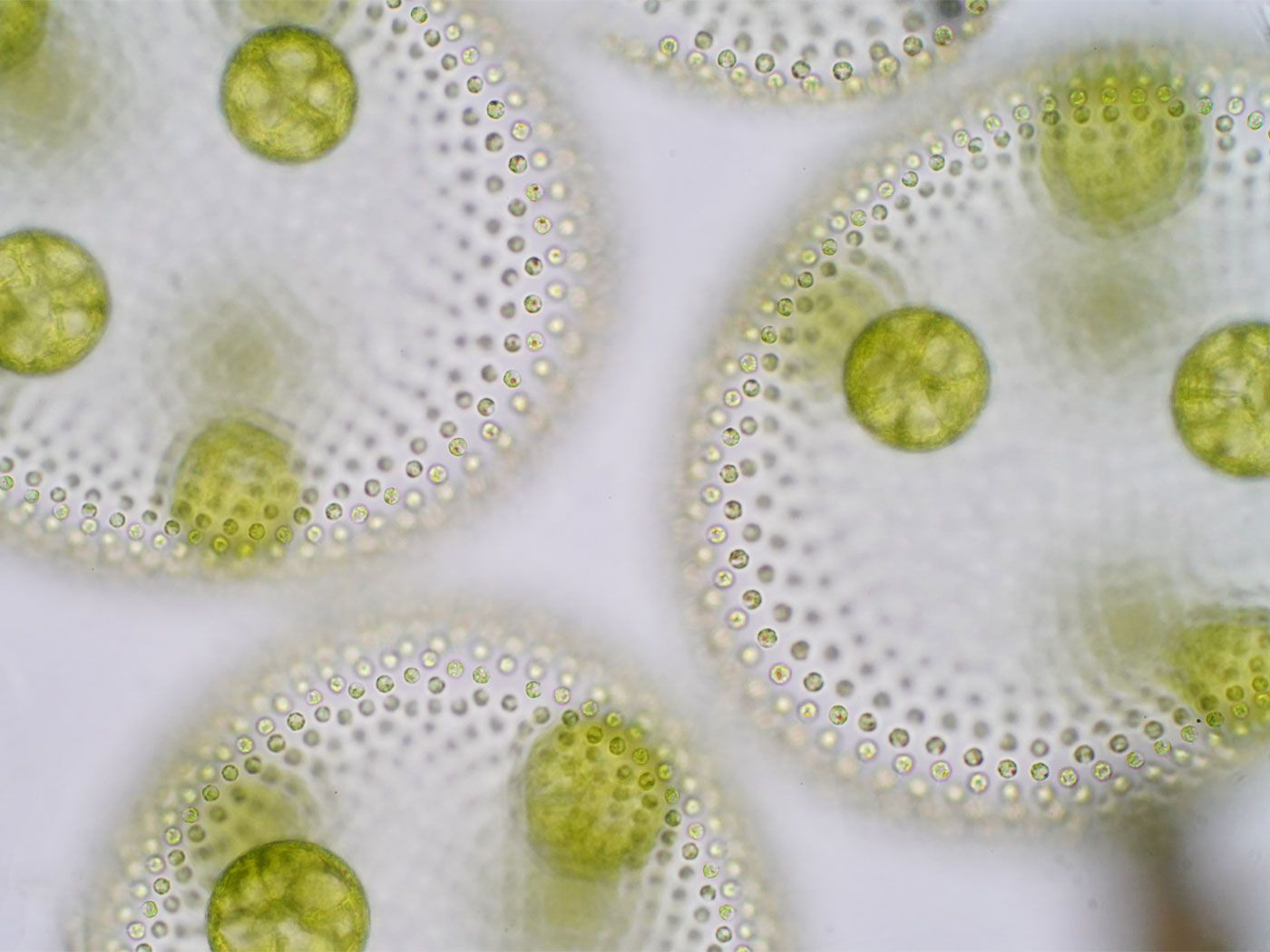
The obvious, but to many unacceptable, answer is that since bacteria are earth’s superior survivors, they should be all the life this planet has ever seen. Bacteria live on almost any surface. They don’t have to waste costly metabolic resources to build specialized equipment for sexual reproduction because they divide by fission, often twice an hour in favorable conditions. They are observed with a fully-functioning suite of well-designed mechanisms that enable them to blanket the earth, grow and divide, adapt and survive. And yet the earth is populated by a variety of living things, including humans, who are supposedly the most evolved species.
Science continues to discover that even the “simplest” single-cell life forms contain a vast amount of complex, specified information. After a lifetime spent in the philosophic rigors of investigating and defending atheism, British philosopher and former atheist Antony Flew wrote, “The only satisfactory explanation for the origin of such end-directed, self-replicating life as we see on earth is an infinitely intelligent Mind.”2
In his lecture, Langmuir described a series of “evolutionary steps” through which life evolved from initially toxic conditions. There is no place in Scripture, plainly read, for a vast age of anoxic bacteria, then one of aerobic bacteria. Fortunately for scriptural history, there is also no geologic evidence for any time on earth when oxygen was not present, and there is certainly no biological evidence that indicates anything other than life having been created from Life.
References
- Powell, A. Humanity may hold key for next Earth evolution. Harvard University Gazette Online. Posted November 20, 2008, accessed December 1, 2008.
- Flew, A, and R. Varghese. 2007. There Is a God: How the World’s Most Notorious Atheist Changed His Mind. New York: Harper One, 132.
Image Credit: NASA
* Mr. Thomas is Science Writer.
Article posted on December 5, 2008.