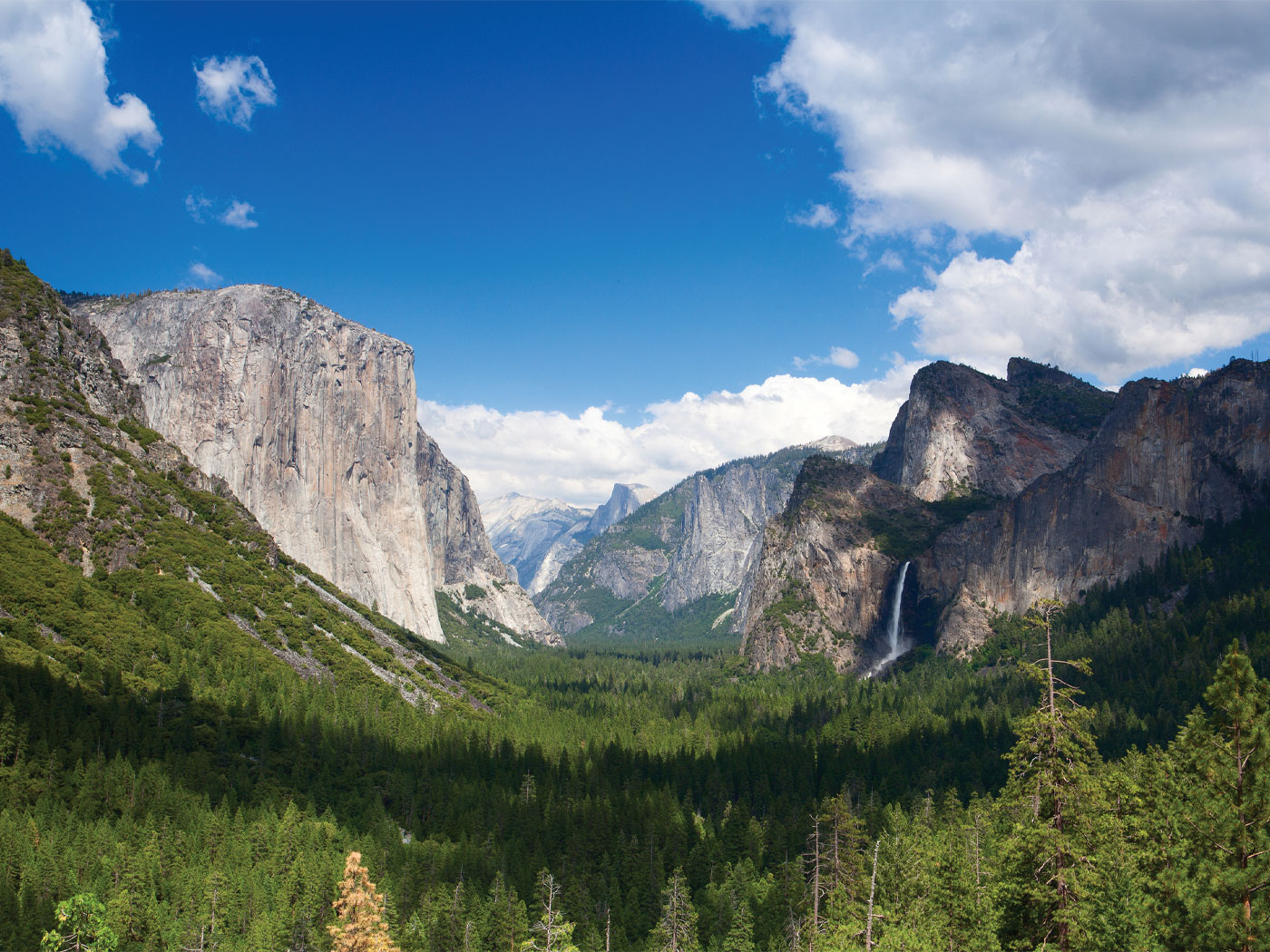
Research is currently underway to scan the Gamburtsev mountain range, which is around the size of the Alps and stands in the middle of Antarctica. It is also covered by about 2,000 feet of ice, and thus was originally detectable only by the seismic equipment used by its Russian discoverers in 1957. This new study, however, will combine ice-penetrating radar technology with seismic information to map the submerged range in more detail, in the hope of solving some of the mountains’ mysteries.1
One question is, how did so much ice get there in the first place? “Ice sheet history is poorly known”2 and the current speculation is that the Gamburtsev range spawned the glacial nuclei, which then spread from the mountains to eventually cover the whole continent in a process that took millions of years. However, it would seem that more than mountains and cold air would be required. For one thing, where did the water come from to make the ice?
The ice cover over the mountain range (and continent) has been a thorny problem for slow-and-gradual, long-age thinkers because in general “much cooler summers and copious snowfall are required, but they are inversely related, since cooler air is drier.”3 Radical changes, like those that would have been generated by the global Flood recorded in Genesis, were necessary to produce these mega-glaciers. The Flood would have heated the oceans, causing waters to evaporate intensely. This would have fueled extensive precipitation and snowfall.4 The Flood likely also churned debris into the atmosphere, blocking sunlight and thus slowing the melting of accumulating snow and ice.
Although many more factors would be involved than can be included here, research continues to demonstrate the plausibility of using the Bible’s accounts of early earth history to interpret what we observe. It will be interesting, indeed, to see what this current study will discover under the Antarctic ice.
References
- Buried Antarctic Mountain Range Shouldn't Exist at All. Live Science. Posted on foxnews.com October 27, 2008.
- Barker, P. F. et al. 1999. Antarctic glacial history from numerical models and continental margin sediments. Palaeogeography, Palaeoclimatology, Palaeoecology. 150 (3): 247-267. The Antarctic ice sheet contains over 6.5 million cubic miles, equal to the volume of 4 percent of today’s ocean.
- Oard, M. 1987. The Ice Age and the Genesis Flood. Acts & Facts. 16 (6).
- Vardiman, L. 1996. Cooling of the Ocean After the Flood. Acts & Facts. 25 (7).
* Mr. Thomas is Science Writer.
Article posted on November 12, 2008.