Evolution has many steep obstacles to overcome. Many are the stupendous design characteristics and environmental balances that can scarcely be understood by today's scientists, let alone mimicked. Yet evolution must work alone with random mutations (usually harmful and therefore discarded) and unthinking natural selection, which cannot see the future or do anything novel on its own. Beneficial mutations (if there are any) can perhaps be selected naturally for survival and enhanced reproductive success, but the elegance of design on display in nature stuns us. Is it credible to rely on such ineffective and inefficient methods to produce all we see?
One of evolution's greatest challenges is the origin of flight. Each flying creature seems specifically designed to do just that and only that. There's nothing random or unthinking about it.
According to evolution, flight was achieved on several occasions. Happening once is highly unlikely. Happening multiple times--how can they assert this and maintain a straight face?
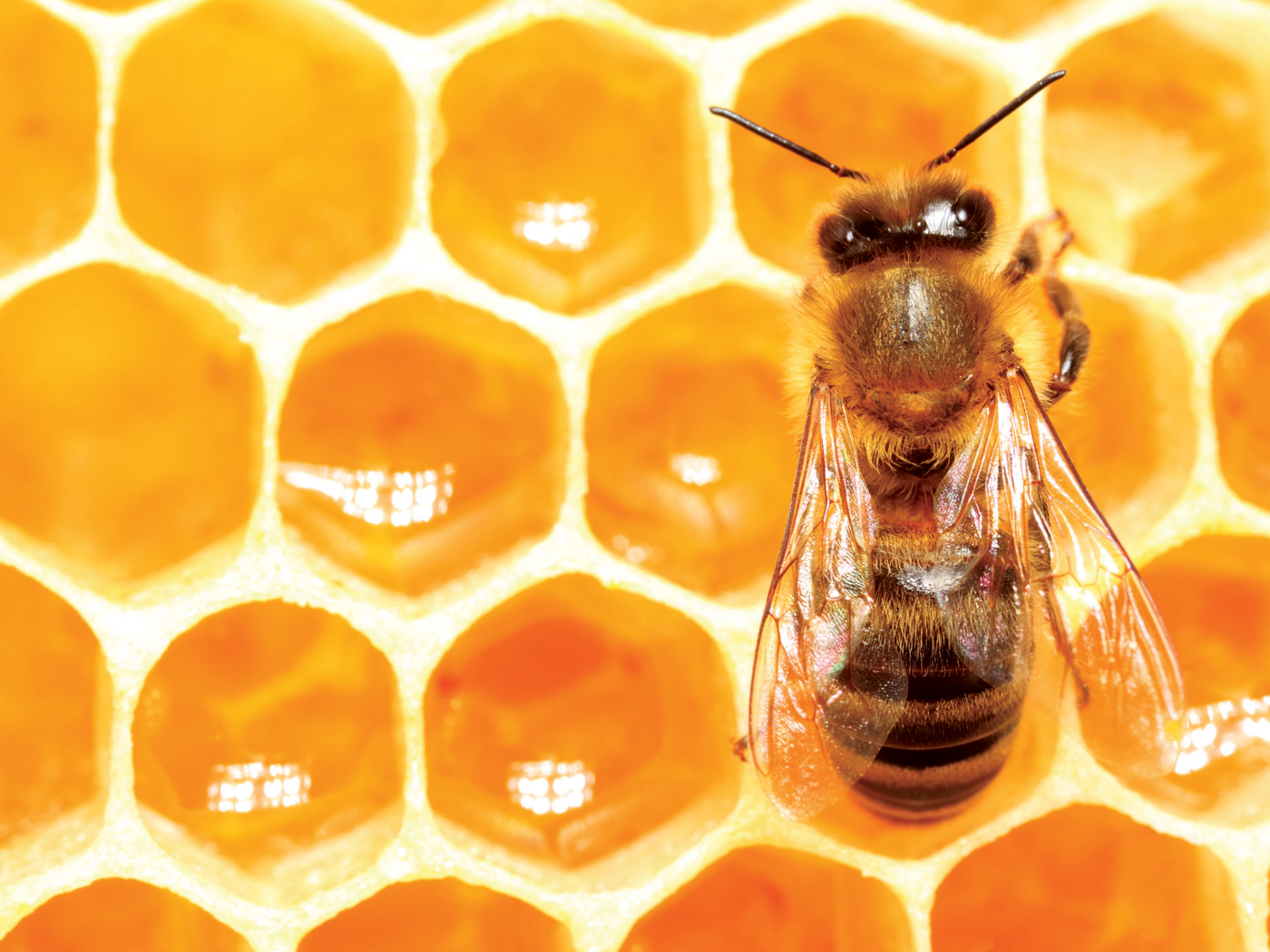
Flight was supposedly first achieved by insects. The insects are classed as arthropods, as are the many invertebrate animals in the sea. Along the way, insects gained many wonderful adaptations to fit them for life on the land, thus only some of them took to the air. Yet the wide variety and abilities of flying insects continue to astound those who try to catalog them. From the delicate butterfly, to the aggressive dragonfly, to the filthy housefly, to the irritating gnats, etc., all exhibit precise design characteristics quite different from each other, yet bear little evidence of relationship to any other insects. Both living specimens and fossil specimens are easily identified, appear designed to do what they do, and show neither transitional forms among themselves nor with non-flying insects. They testify for purposeful creation, not random evolution.
The flying reptiles are likewise separate and distinct from all other reptiles, yet from the earliest time their fossils are seen (read: lowest in the strata column), they display all the design traits which characterize them. There are two basic types of flying reptiles, and they are fully distinct from each other and lacking any fossil evidence that they evolved from some other type. They seem to have been created to be flying reptiles only, and created precisely with that goal in mind by an intelligent Creator.
The birds are not thought to have evolved from flying reptiles, but from ground-dwelling or tree-climbing reptiles. Birds fill diverse ecological niches and accomplish numerous necessary purposes, all the while filling the air with song and beauty.
The marvels of bird flight seemingly testify to intelligent aerodynamic engineering. The feathers, the wings, the hollow bones, the sternum, the flight muscles, etc.--all are designed specifically for flight. This suite of features is only useful for flight, and yet each is necessary for any of them to accomplish their intended purpose. Random mutation and natural selection would be hard pressed to accomplish something like this.
Mammals, too, can fly, or at least some of them. Bats exhibit many unique design features, including wing design and radar. Their radar signal and receivers even supplied the model from which design engineers got their idea for the use of radar today. Bats accomplish several necessary tasks, including keeping insect populations in check, without which our lives would be difficult. And bat fossils are 100 percent bat. No evolution here!
And that's the point. The evidence does not uniquely point to evolution. The person who says all life came from a common ancestor through "descent with modification" must not have studied living things very carefully. The whole evolution story can best be understood as an attempt to provide scientific support for a life lived without accountability to a Creator God.
*Dr. Morris is President of the Institute for Creation Research.
Cite this article: Morris, J. 2008. The Origin of Flight. Acts & Facts. 37 (8): 13.