Scientists are still trying to out-do each another by finding the biggest dinosaur. Brian Curtice, from the Arizona Museum of Natural History, recently threw his name in the hat with a new analysis of the long-necked dinosaur Supersaurus.1 His findings were presented virtually at the Society of Vertebrate Paleontology’s Annual meeting.
Supersaurus was originally discovered in 1972 by Jim Jensen in Dry Mesa Quarry, Colorado.1 Scientists knew it was a large sauropod, but with a fairly incomplete skeleton, nobody knew exactly how large. So, how did this dinosaur suddenly become so much larger?
After naming Supersaurus, Jensen found what he believed were two other large long-necked (sauropod) dinosaurs buried together. The bone bed at the quarry was so well mixed that Curtice called it a “bone salad.”1
Curtice studied the other bones from the quarry and realized that two of the other dinosaurs, Ultrasaurus and Dystylosaurus, were actually composed of bones from Supersaurus. The three different dinosaurs were in fact all part of one species.
He also found some new neck and tail bones from some unopened jacketed bones at the quarry. Piecing these all together, he estimated that the neck of Supersaurus was longer than 50 feet and the tail longer than 60 feet.1 Altogether, he determined that the sauropod specimen was between 128 and 137 feet in total length.1 By comparison, other diplodocids (such as Seismosaurus) were only about 110 feet long.2
“That is a crazy length—longer than three yellow school buses nose to tail,” Curtice said. “And considering we never find the largest individual in the fossil record, how much longer could these animals have gotten?”1
Although Supersaurus may be the longest dinosaur, the heaviest seems to be Argentinosaurus, another sauropod dinosaur weighing in at an estimated 90 tons, nearly double that of Supersaurus.1 By comparison, ICR scientists have determined that the average dinosaur was about 1,400 pounds, about the weight of an American bison.3
What was the purpose of the large sizes for sauropod dinosaurs like Supersaurus? Large size may have offered protection from predators, similar to large elephants today. And it’s possible that dinosaurs, like pre-Flood humans lived to be many hundreds of years old, continuing to grow year after year.4 Many cold-blooded reptiles today continue to grow throughout their lifetime.
Regardless of the reason for their large sizes, the engineered design of dinosaurs is unmistakable. God had a plan and a purpose for these creatures.
But even the largest of the dinosaurs was no match for the massive tsunami-like waves of the global Flood. Rapid and catastrophic burial about 4,400 years ago is what preserved their bones for us to find today.
Dinosaur exhibits at every major natural history museum in the world give strong evidence for the Flood. The truth of the words of Jesus is right before our eyes.
References
1. Geggel, L. 2021. Supersaurus might be the longest dinosaur that ever lived. LiveScience. Posted on livescience.com November 15, 2021, accessed November 17, 2021.
2. Herne, M. C. and S. G. Lucas. 2006. Seismosaurus hallorum: Osteological reconstruction from the holotype. In Paleontology and Geology of the Upper Morrison Formation. Foster, J. R. and S. G. Lucas, eds. Albuquerque, NM: New Mexico Museum of Natural History and Science, 139-148.
3. Clarey, T. L. and J. P. Tomkins. 2015. Determining average dinosaur size using the most recent comprehensive body mass data set. Answers Research Journal. 8: 85-91.
4. Clarey, T. 2015. Dinosaurs: Marvels of God’s Design. Green Forest, AR: Master Books.
Image: Artist depiction of Supersaurus
Image Credit: Copyright Sean Fox/Fossil Crates © 2021. Adapted for use in accordance with federal copyright (fair use doctrine) law. Usage by ICR does not imply endorsement of copyright holder.
*Dr. Clarey is Research Scientist at the Institute for Creation Research and earned his doctorate in geology from Western Michigan University.
Supersaurus-Sized Dinosaur No Match for the Flood
More Fossils Show Rapid and Catastrophic Burial
An Egg Doesn't Crack the Mammal-Reptile Mystery
A small and interesting plant-eating reptile called Lystrosaurus is in the news recently because it was found to have laid eggs (as reptiles do). So...
New Fossil Dolphin Species Discovered
Who doesn’t like to watch the antics of the friendly dolphin? They are classified as Cetaceans (which also includes the porpoise and the whale)....
Freshwater Fish Fossil in Australia
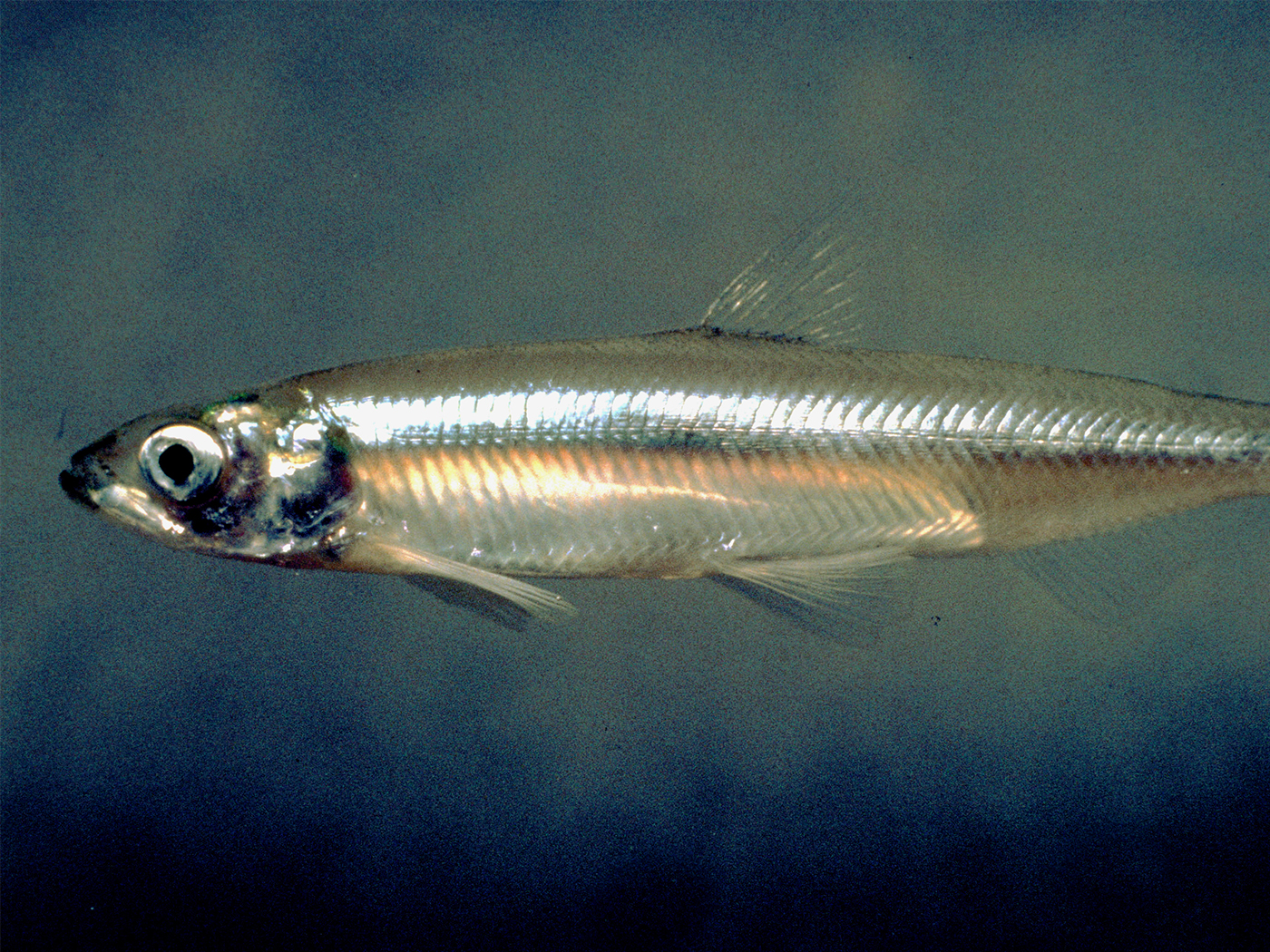
Yet another fish fossil has been discovered. This one was found in the Australian desert and was dated by evolutionists to be “15 million years...
More Creation Science Update
The Fine-Structure Constant: Evidence of Design in Nature
The job of physicists is to worry about numbers, but one number has perplexed physicists for more than a century. That number is 0.00729735256—approximately...
Neanderthals Possibly Used Pre-Flood Methods to Make Tar
A new discovery by a group of German and French scientists has found that Neanderthals were much more sophisticated than previously thought.1...
May 2023 ICR Wallpaper
"For the LORD God is a sun and shield;
The LORD will give grace and glory;
No good thing will he withhold
From those who walk uprightly."
Psalm...
The Latest
The Incredible Narwhal Tusk
Most of us are familiar with the narwhal, a bizarre arctic mammal that sports a long, twisted tusk, earning the creature its nickname, the unicorn of...
Can Metals Explain the Origin of Life?
A spark plug can make a spark, but no one would say a spark plug can build a car. In much the same way, a chemical reaction can do one useful job without...
Jumping Genes: Engineered to Move
Scientists recently found a “jumping gene” in an odd place. An RNA molecule from a tiny predatory bacterium had entered the cells of a very...
Institute for Creation Research Partners with Louisiana Baptist...
The Institute for Creation Research (ICR) announced today a strategic handover of its School of Biblical Apologetics (SOBA) educational content to Louisiana...
A Tangled Human Tree—or One Human Family?
What if the “ghosts” in our DNA are not lost steps in human evolution? A new Science study found DNA patterns that may point to two unknown...
Mapping the Sense of Smell
Your sense of smell involves much more than enjoying a hike through an aromatic pine forest or appreciating delicious foods.1,2
Our ability...
September 11, 2001: We Will Never Forget
“Fret not thyself because of evil men, neither be thou envious at the wicked: for there shall be no reward to the evil man; the candle of the...
What Can Fossil Teeth Really Tell Us?
A few tiny fossil teeth have been asked to carry a very large story. Researchers used them to name a new order of marsupials, Keeunamorphia, and to...
Man and His Labor
“Man goeth forth unto his work and to his labour until the evening.” (Psalm 104:23)
The 104th Psalm is a beautiful psalm of creation and...
Changing Climates, Stable Primates
What do you picture when you think of the first primates? Conventional scientists have long proposed warm forests, thick vines, and tropical heat as...
Shop Related Products
Carved in Stone
$39.99

Carved in Stone
$39.99