



Most Christians are uncomfortable with purely naturalistic evolution. The solution for many Christians has been to adopt theistic evolution, which is based on the idea that the God of the Bible employed an evolutionary process to create.
Any listing of the attributes of God would include omnipotence, omniscience, loving, gracious, possessing forethought, and the desire for a relationship with man. Would this kind of God have used long ages of evolutionary development?
Theistic evolution looks back to about four billion years ago when God brought just the right chemicals into the right order to form a single cell. This multiplied and mutated for over three billion years until He either allowed or caused them to evolve into two-celled organisms, then about 500 million years ago into marine invertebrates, such as clams, snails, trilobites, and flatworms.
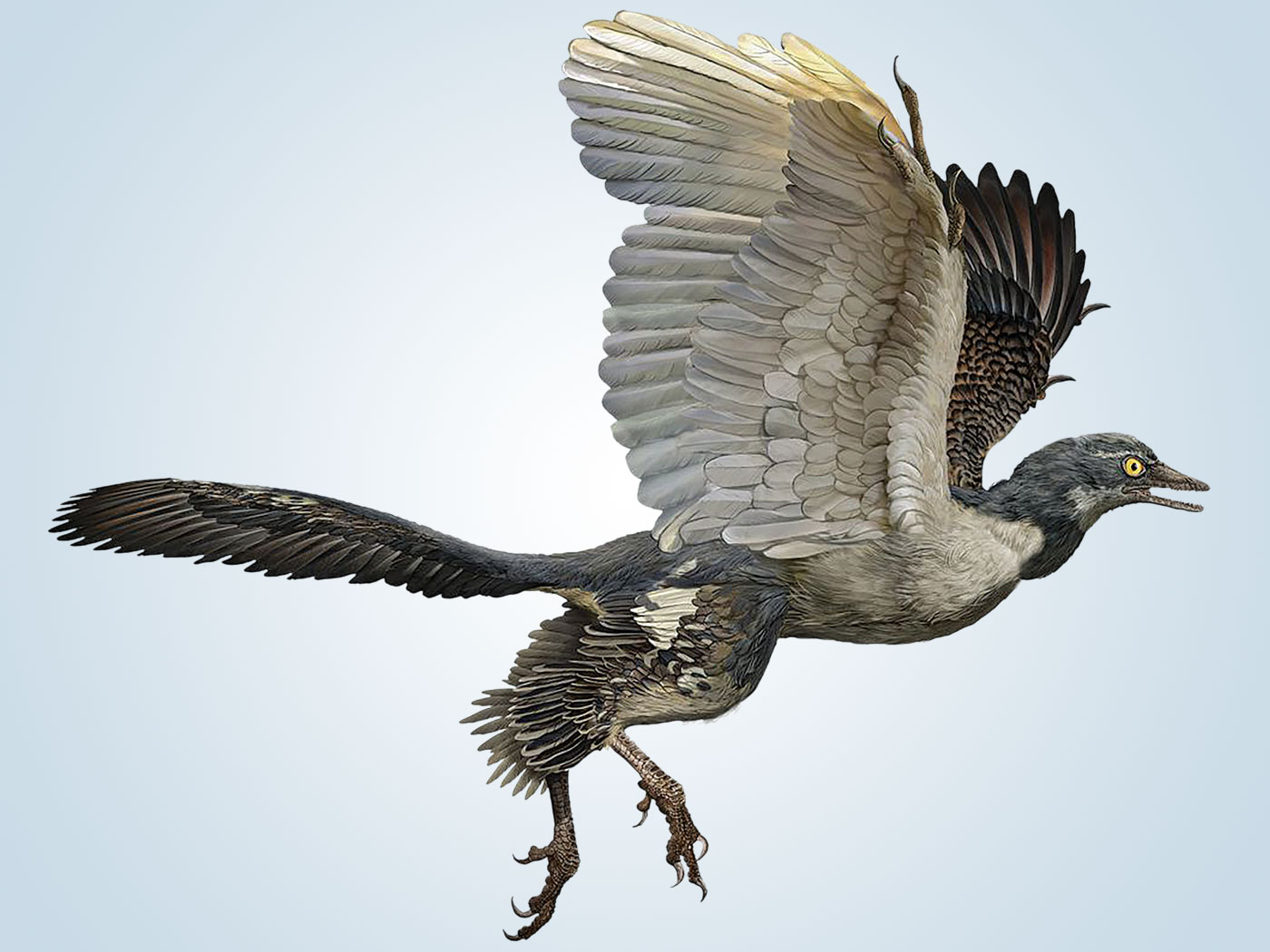
Over hundreds of millions of years, many types went extinct and were never seen by man. But the flatworm begat fish, then amphibians, then reptiles and birds, then mammals. They would live and die, mutate and go extinct. Some would eat the others. All were subject to disease and starvation. Some, like the dinosaurs, also passed into oblivion before man arrived. The fossil record provides ample evidence of their existence, suffering, and extinction long ago.
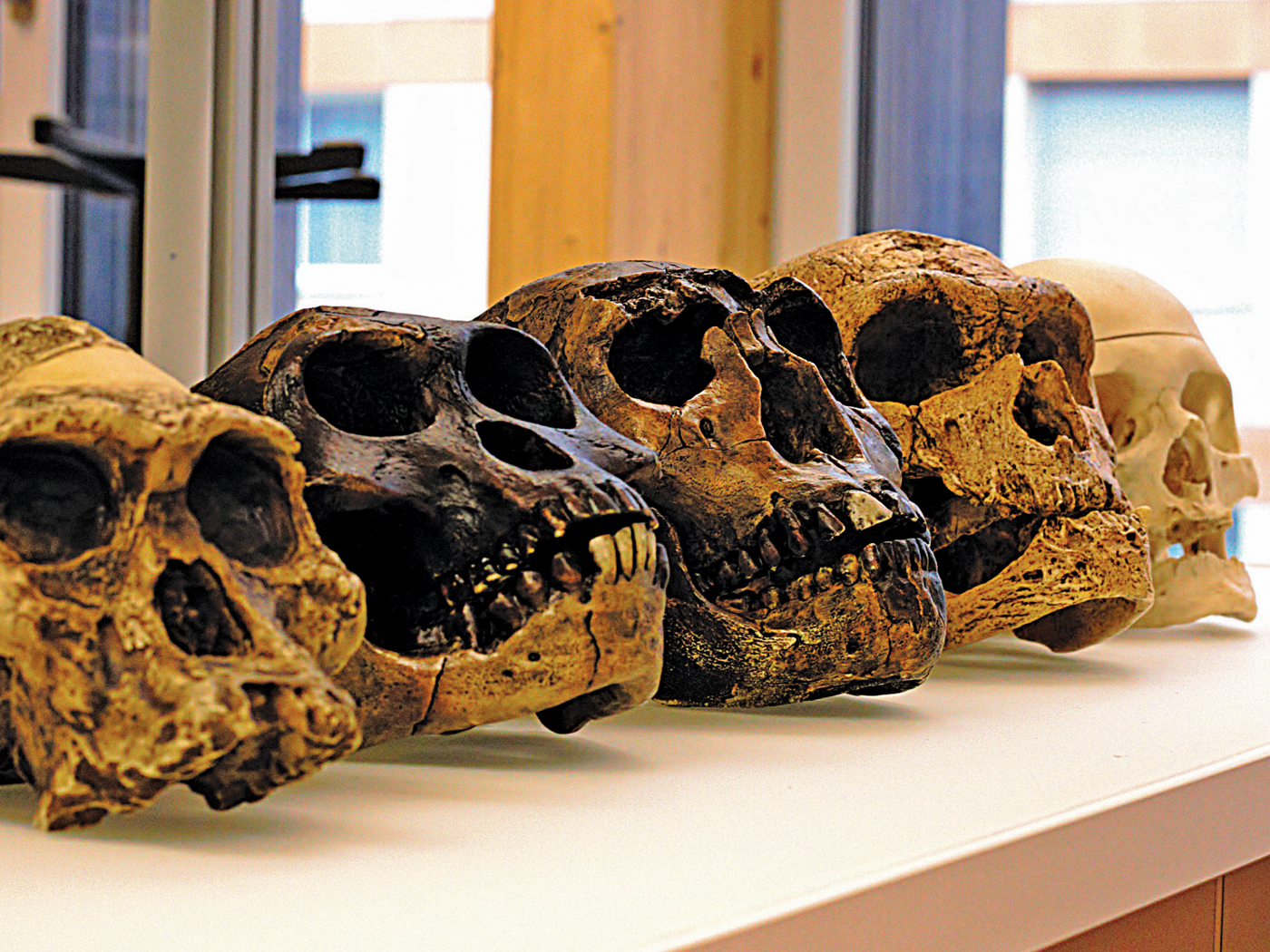
Just a few million years ago there were upright-walking apes, then Homo erectus, and then Neandertals, "animals" who made tools, employed agriculture, utilized both religious implements and weapons, suffered from disease and malnutrition. They enjoyed music and flowers and art, but had no soul.
Then, just a few thousand years ago, God made true man. He either created man from scratch or took a sub-human animal and gave it an eternal spirit. As He finished His work, He called it all "very good." God's creation could finally recognize His grace, respond in love, and give God the glory due His name.
But was it all "very good"? Beneath Adam's feet would lay the fossils of billions of animals, many giving evidence of traumatic death. And who were the long extinct dinosaurs? Had God been experimenting, trying to find something He could call His image? Did He not know what He wanted? Was He not powerful enough to create it without so many missteps? If the creation and redemption of man was His purpose, why did He wait so long?
And why did He use the process of the extinction of the unfit to create? His very nature ultimately impelled Him, the Fit, to die for the unfit. In redemption, He would strongly denounce personal works as a method of salvation. Would He have used survival of the fittest as His method of creation and accept "glory" from His creation on this basis?
No, the righteous God revealed in Scripture would create just as described in Genesis One. Creation would be orderly and wise, with man and his walk with God the result. It would be deathless and sinless, compatible with the all powerful, Holy, life-giving Creator's label as "very good."
*Dr. John Morris is President of ICR.