Results from a recent study in human and chimpanzee genetics have shipwrecked yet another Darwinian hypothesis.1 Genetic recombination is one of the key events that occur during the production of egg and sperm cells, and secular scientists have long thought it to be a major driver of human and ape evolution.
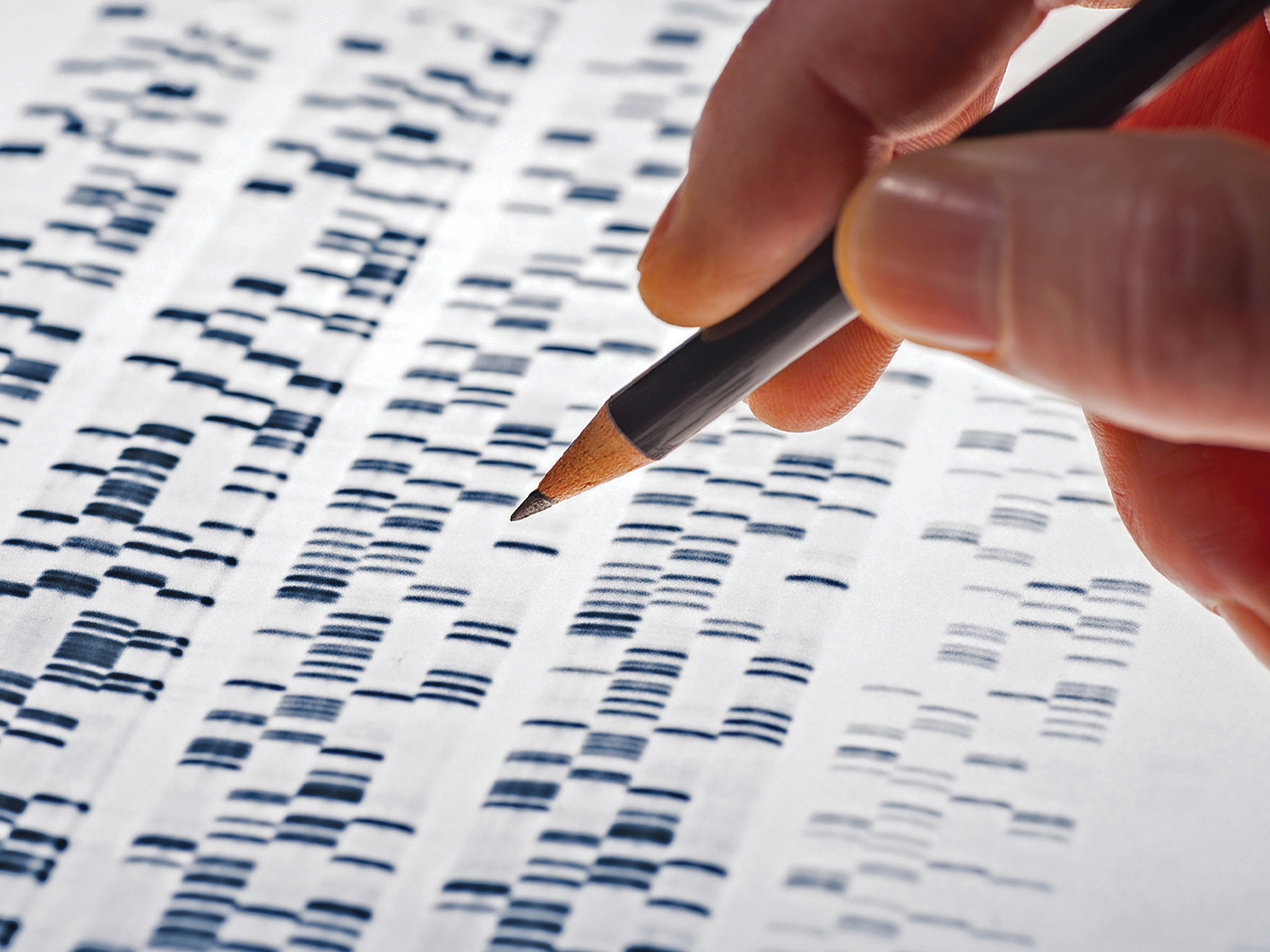
When sperm and egg cells are formed in humans and various animals, the process of meiosis generates genetic variation. For example, since humans have two sets of chromosomes, when similar ones (i.e., sister chromatids)–one each from your mother and father—pair up together in the cell, they undergo a controlled exchange of DNA segments (maintaining the same linear order of segments). This is one reason why the offspring of two parents are always genetically unique, except for identical twins where the fertilized egg cell splits into two identical embryos. This process of exchanging DNA segments across sister chromatids is called genetic or homologous recombination and does not occur randomly across the genome, but most often occurs in areas called “hotspots.”2
Evolutionists have speculated for years that genetic recombination is one of the key mechanisms generating mutations and resulting in new genes and regulatory DNA sequences. They claim that this process facilitates some sort of mystical evolutionary tinkering and shuffling mechanism.
The problem with this idea is the fact that genetic recombination is now being shown to be a highly regulated and controlled cellular process. It is limited to specific hotspots and directed away from the key regulatory parts of the genome that are critical for gene regulation.3,4 Unless something goes wrong with the process, recombination typically allows for variations in non-vital traits while protecting core-cellular processes. If this process was not precisely arranged and expertly controlled, severe damage to the genome would result and sexual reproduction would not be possible.
A recent study, published in the journal Molecular Biology and Evolution, evaluated various regions of the chimpanzee and human genomes for genetic recombination frequency by determining the DNA variability (differences) within large populations of both humans and chimpanzees.1 The researchers found that genetic recombination levels were much higher in regions of the genome between humans and chimps where sequence identity was higher. In the regions of much lower DNA similarity, which occur as differences in gene order, gene content, and other major DNA sequence differences—the recombination rates were much lower.
Interestingly, the authors also searched the DNA sequences between humans and chimpanzees for sections that were “flipped” in their orientation, called inversions. Large inversions, once they occur in a species and if they are tolerated, will stop recombination. However, the researchers found that inverted sequences accounted for very few differences in the regions they examined.
These results are the exact opposite of what evolutionists expected. According to evolutionary reasoning, the chromosomal areas between humans and chimps that were the most different should have had high levels of genetic recombination that would help explain why they were so different. But these chromosomal areas that were the most different between humans and chimpanzees had the lowest levels!
More recombination equals more evolutionary differences right? Apparently not!
Once again, new scientific data has falsified a prominent evolutionary hypothesis. While this study failed to uphold the hypothetical predictions of evolution, it did vindicate the now well-established fact that genetic recombination is a highly regulated, and complex bio-engineered feature that helps create variability in just the right areas of the genome.
Other recent research has shown that the human and chimpanzee genomes are radically different.5 And now this new study has demonstrated that these differences are not due to a mythical evolutionary tinkering and shuffling process associated with genetic recombination, but because humans and chimps were created separately and uniquely.
References
- Farré, M. et al. 2013. Recombination Rates and Genomic Shuffling in Human and Chimpanzee—A New Twist in the Chromosomal Speciation Theory. Molecular Biology and Evolution. 30 (4): 853-864.
- Smagulova, F. et al. 2011. Genome-wide analysis reveals novel molecular features of mouse recombination hotspots. Nature. 472 (7343): 375–378.
- Tomkins, J. 2012. Gene Control Regions Are Protected--Negating Evolution. Posted on icr.org June 11, 2102, accessed May 17, 2013.
- Brick, K. et al. 2012. Genetic recombination is directed away from functional genomic elements in mice. Nature. 485 (7400): 642-645.
- Tomkins, J. 2013. Comprehensive Analysis of Chimpanzee and Human Chromosomes Reveals Average DNA Similarity of 70%. Answers Research Journal. 6 (2013): 63-69.
* Dr. Tomkins is Research Associate at the Institute for Creation Research and received his Ph.D. in Genetics from Clemson University.
Article posted on May 31, 2013.