When two species of daisy are crossed, the resulting daisies should look a little like each parent…right?
That's not what researchers recently discovered in a new study published in Current Biology. Co-author Doug Soltis and his colleagues found that these flowers' descendants changed appearance right before their eyes.1 Soltis, a biologist at the University of Florida, said in a university press release, "We caught evolution in the act."2 The flowers did change, but is it accurate to call that "evolution"?
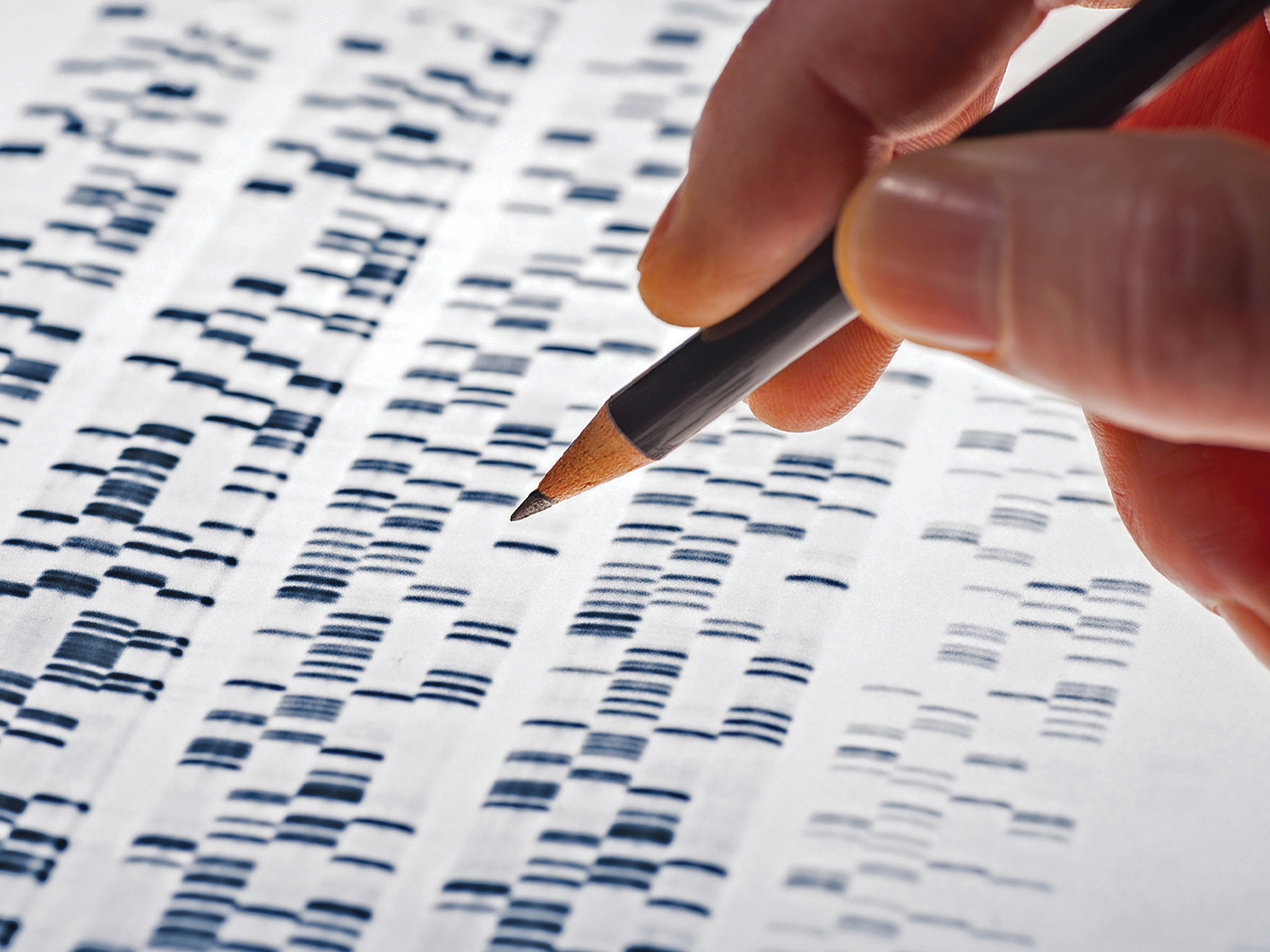
The researchers examined differences in gene expression in many generations of this particular daisy hybrid called Tragopogon miscellus. They saw that genetic patterns that were stable in the parents became disrupted in the offspring through a genetic process they called "transcriptomic shock."1 But even with these changes, the researchers began their study with daisies and ended with daisies. The flower changes that they saw did not, and could not, account for the origin of the daisy itself, and this is still the biggest problem with big-picture evolution.
But they did find some very interesting results that give clues about how flowers may have rapidly changed their appearances in the context of a young world, and specifically how so many varieties were expressed after the Flood. When these two different parent daisy species cross-pollinated in the wild, some of the offspring ended up polyploid. This means that their DNA doubled, with an entire copy of all the chromosomes added to all the cells of the next generation. And that extra DNA sent the developing plants into a "reshuffling" mode.
Some genes were turned off, others turned on, and even more were readjusted like a genetic dimmer switch. All the while, the true-breeding parent populations, growing in parallel, continued to show consistent gene expression patterns.
The study authors wrote that the polyploid plants induced a kind of shock to the gene system, "causing a loss of tissue-specific expression patterns seen in the diploid parents." These changes were not random, either. The researchers wrote, "Our results suggest that regulation of gene expression is relaxed in a concerted manner upon hybridization, and new patterns of partitioned expression subsequently emerge over the generations following allopolyploidization" (emphasis added).1
The term "allopolyploidization" refers to the formation of a double-size set of genes in the very first generation of offspring. But when the densely packed information content in floral genes is adjusted, it must occur "in a concerted manner" so that vital genetic information is not garbled. And the "concerted manner" of genetic shuffling that these researchers observed strongly suggests that these flowers were purposefully engineered to quickly express variations.
In just one generation, the gene expression patterns began reshuffling as the hybrids lost the pattern of either parent. The study examined 40-generation-old wild polyploid daisies and concluded that gene expression patterns eventually settle into steady patterns over multiple generations as the plants interact with their environments.
The changes in the flowers were not random, but concerted, and they appear to have a purpose behind them. The study authors wrote, "The patterns of transcriptomic shock shown here are likely to affect profoundly the evolutionary success of the natural populations of allopolyploid Tragopogon miscellus."1 But in this context, "evolutionary success" actually refers to the potential to fill and pioneer different ecological niches, a capability that does not explain the origin of these flowers or their built-in potential for variation.
According to these study authors, the real source of change in these daisies was not their environment, but their DNA. And their DNA contains coded instructions to rearrange itself in an organized way, so that future generations might be better equipped to survive in different environments. It is God's marvelous biological design…not evolution…that has been caught in the act.
References
- Buggs, R. J. A. et al. 2011. Transcriptomic Shock Generates Evolutionary Novelty in a Newly Formed, Natural Allopolyploid Plant. Current Biology. 21 (7): 551-556.
- Torrent, D. UF researcher: Flowering plant study ’catches evolution in the act.' University of Florida press release, March 17, 2011.
* Mr. Thomas is Science Writer at the Institute for Creation Research.
Article posted on April 26, 2011.