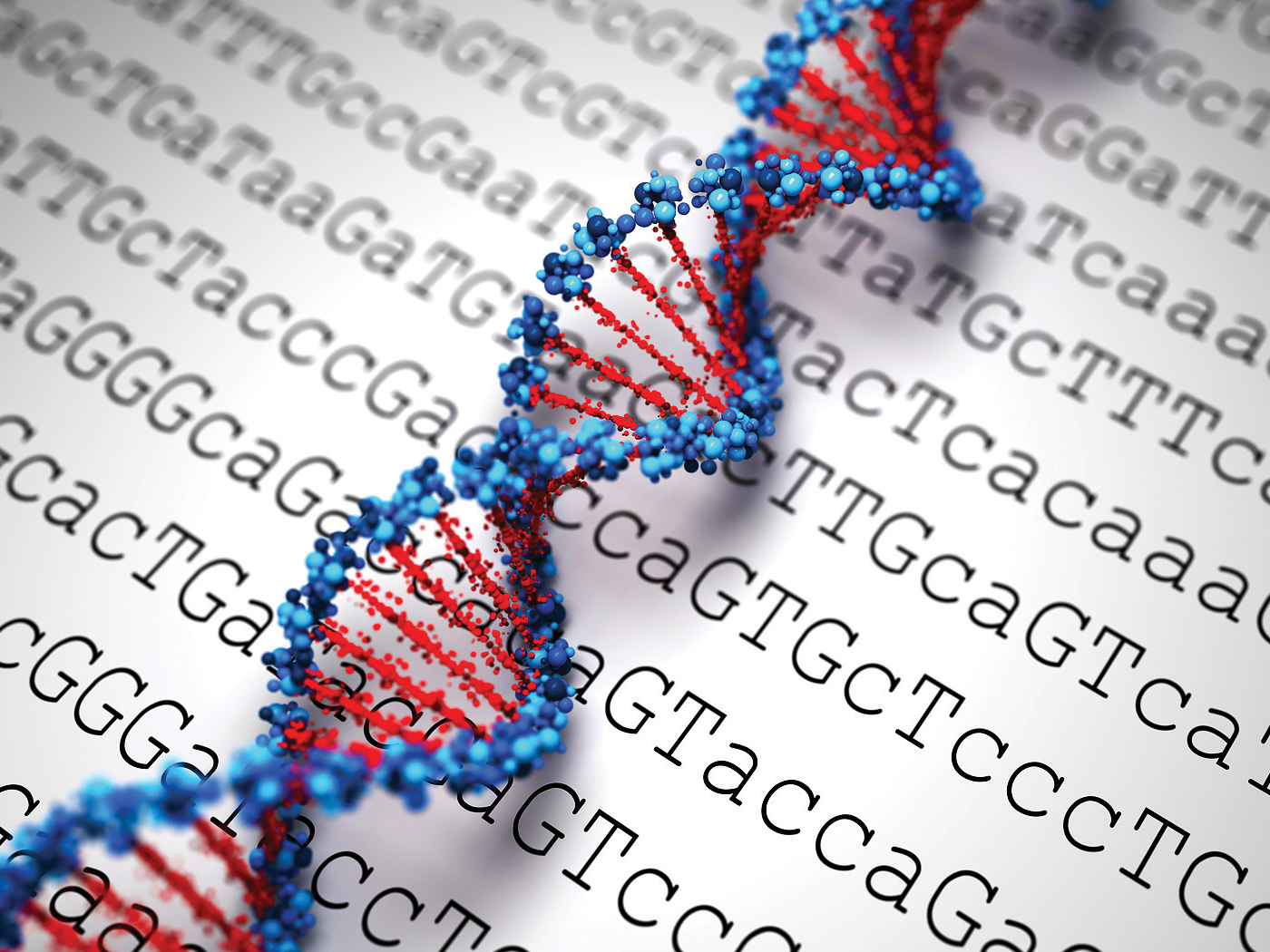
In the tiny world of the cell, segments of DNA called transposons copy and reinsert themselves into the DNA. They eventually produce large repetitive sequences that have for many years been considered useless "junk" or remnants of ancient viral infections. But a new study has uncovered an important function for transposons.
Researchers at the Genome Institute of Singapore and other institutions suspected that transposons played an important role in the embryonic development of mammals. They decided to explore how the transposons interact with other key genetic pieces called "transcription factors" during the development of mice and humans.
Transcription factors are proteins that bind to specific sites in order to regulate DNA. They thus moderate the expression of that DNA into RNA and proteins. The researchers tested human and mouse stem cell lines and found that sites on transposons are recognized by certain transcription factors that are known to play key roles during development. They published their results in the July issue of Nature Genetics.1
Also among their findings was that, since the repetitive sequences had been formed by transposons, this meant that the binding sites to which the transcription factors attached had been "shuffled." In effect, by jumping to new places in DNA, transposons add new transcription factor binding sites that alter how nearby genes are regulated.
The researchers concluded, "Our results reveal the striking plasticity of the core regulatory network of mammalian embryonic stem cells and the importance that transposable elements [like transposons] have had in facilitating this functional turnover."1 They were surprised to find that the DNA binding sites for transcription factors are moved around between generations, that transposons are responsible for those movements, and especially that these movements are all coordinated and essential for proper development.
From the perspective of a lengthy and undirected evolutionary history, there ought to be plenty of useless sections of DNA residing in genomes. However, a biblical perspective predicts high functionality throughout genomes, with traces of degradation having accumulated since the curse that God placed on the earth, or elements, after Adam's sin.2 Like the functionality in other repetitive DNA, the high level of functionality of transposons is more consistent with creation.3
References
- Kunarso, G. et al. 2010. Transposable elements have rewired the core regulatory network of human embryonic stem cells. Nature Genetics. 42 (7): 631-634.
- Morris, H. 2006. The New Defender's Study Bible. Nashville, TN: World, 22.
- Pseudogenes, for example, are also quite functional. See Thomas, B. 'False' Gene Discovery Confirms Creation Prediction. ICR News. Posted on icr.org July 12, 2010, accessed July 13, 2010.
* Mr. Thomas is Science Writer at the Institute for Creation Research.
Article posted on July 26, 2010.