The Institute for Creation Research is well known for its conviction that the scriptural account of creation is true as it stands. In particular, we notice that ten times in Genesis 1 God created the various plant and animal types "after their kind." He did not transform one kind into a different kind, as evolution insists. Once the kind was created it could vary and adapt, but no new basic kinds would appear by this limited variation. In some cases, a kind might today be known as a species, but in others the term genus or family, as identified in modern taxonomy, might be more appropriate. Unfortunately, each of the above terms are poorly defined, thus equating kind with any of them would be misleading.
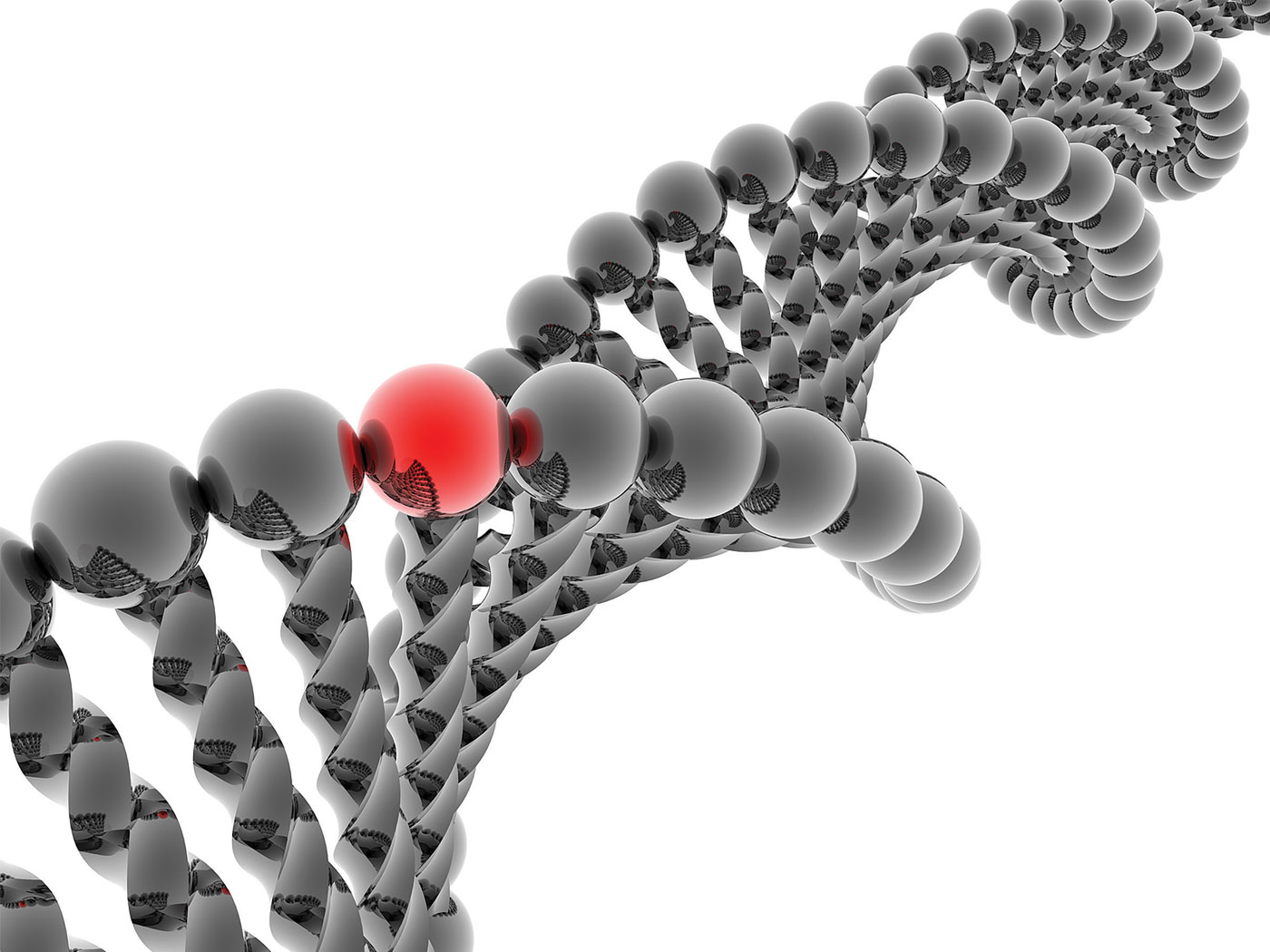
Creationists, in general, believe that after creation and especially after the curse, variation and adaptation favored a range of traits in plants and animals, many of which are preserved as fossils deposited by Noah's Flood. Representatives of each land-dwelling, air-breathing animal kind were on board the Ark, but they disembarked into a very different world after the Flood. Migrating into a vast array of "unfilled ecological niches," they adapted and varied into modern-day species through isolation and inbreeding. Such a transformation involves no new genetic material derived by mutation as required by evolution. It merely favors already existing genes, which fit new environments, forcing non-favored genes into elimination.
Let's illustrate this scenario by using the original "dog" kind, which probably involved many individual dogs exhibiting a wealth of traits, and a robust gene pool allowing much variety. Two representatives were chosen by God to survive the Flood on the Ark, and from them the vast array of "dogs" we know today have descended, including wolves, coyotes, and domesticated dogs. It is well established that all domestic dogs were bred from a wolf-like ancestor within the last few thousand years. But today's breeds are genetically deficient. The gene pool of a poodle does not contain all the genes needed to produce a St. Bernard, even though the two breeds are interfertile. No evolution has taken place, just variety within the created kind.
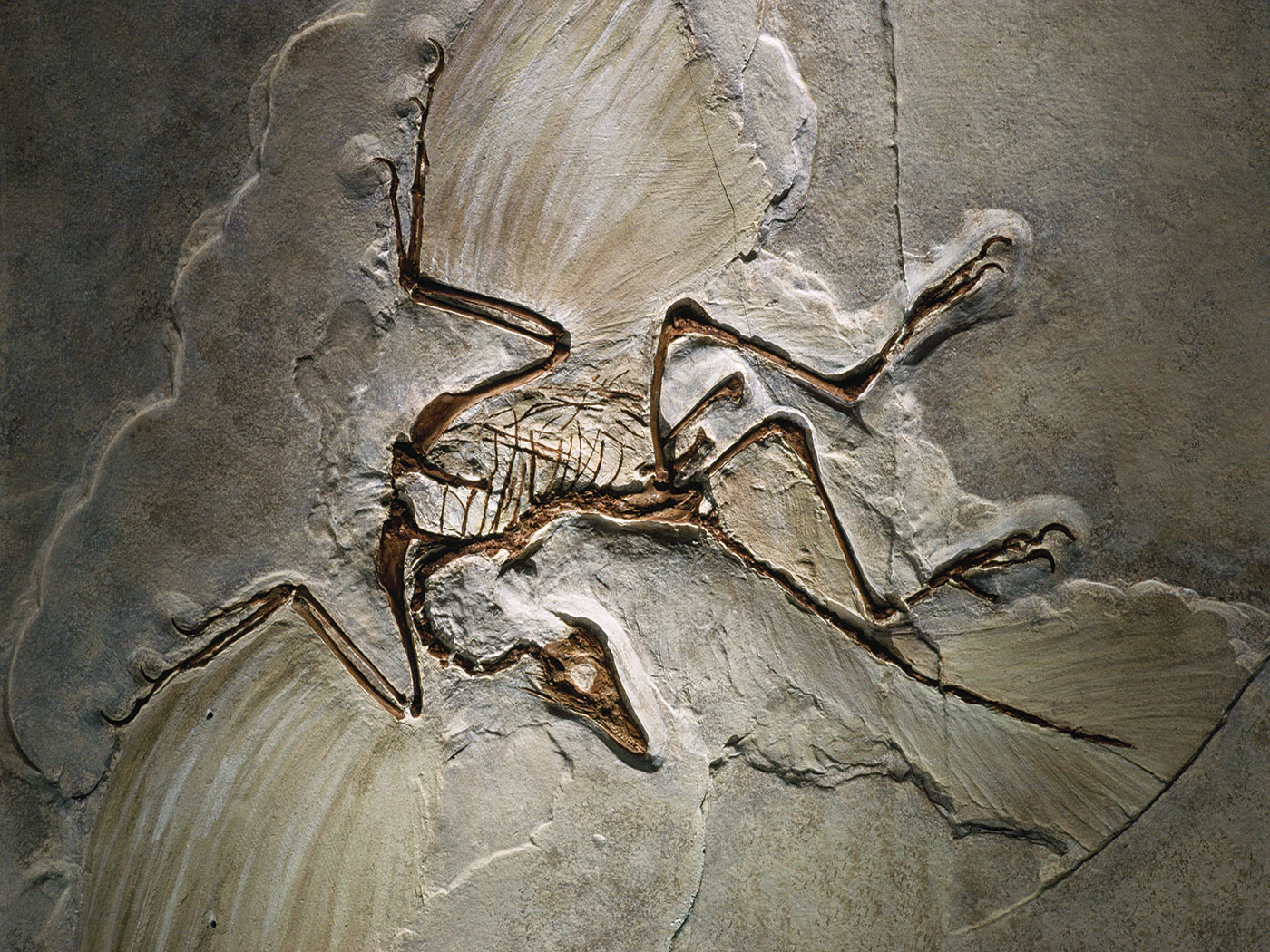
What then are we to make of the recent comment by Dr. Hugh Ross, well-known semi-creationist, and aggressive advocate of billions of years, the Big Bang, and death before sin, who labels ICR and other young-earth creationists as "hyperevolutionists." He claims that we must account for the "half billion species" in the fossil record by major changes after creation and the curse, and the "five million" alive today in the thousands of years since the Flood from the "30,000" or so on the Ark. (The Genesis Debate, 2001, pp. 126_127.) Dr. Ross neglects to mention that very nearly all the fossil and present species are marine dwellers, and are not descended from Ark survivors. He disavows the Flood as worldwide and exhibits little understanding of genetics in his rush to accept billions of years and death as part of God's "very good" creation, and insists that the curse's effects were mainly spiritual.
How much better to accept a literal view of Scripture. When you do, the scientific facts fall into place.