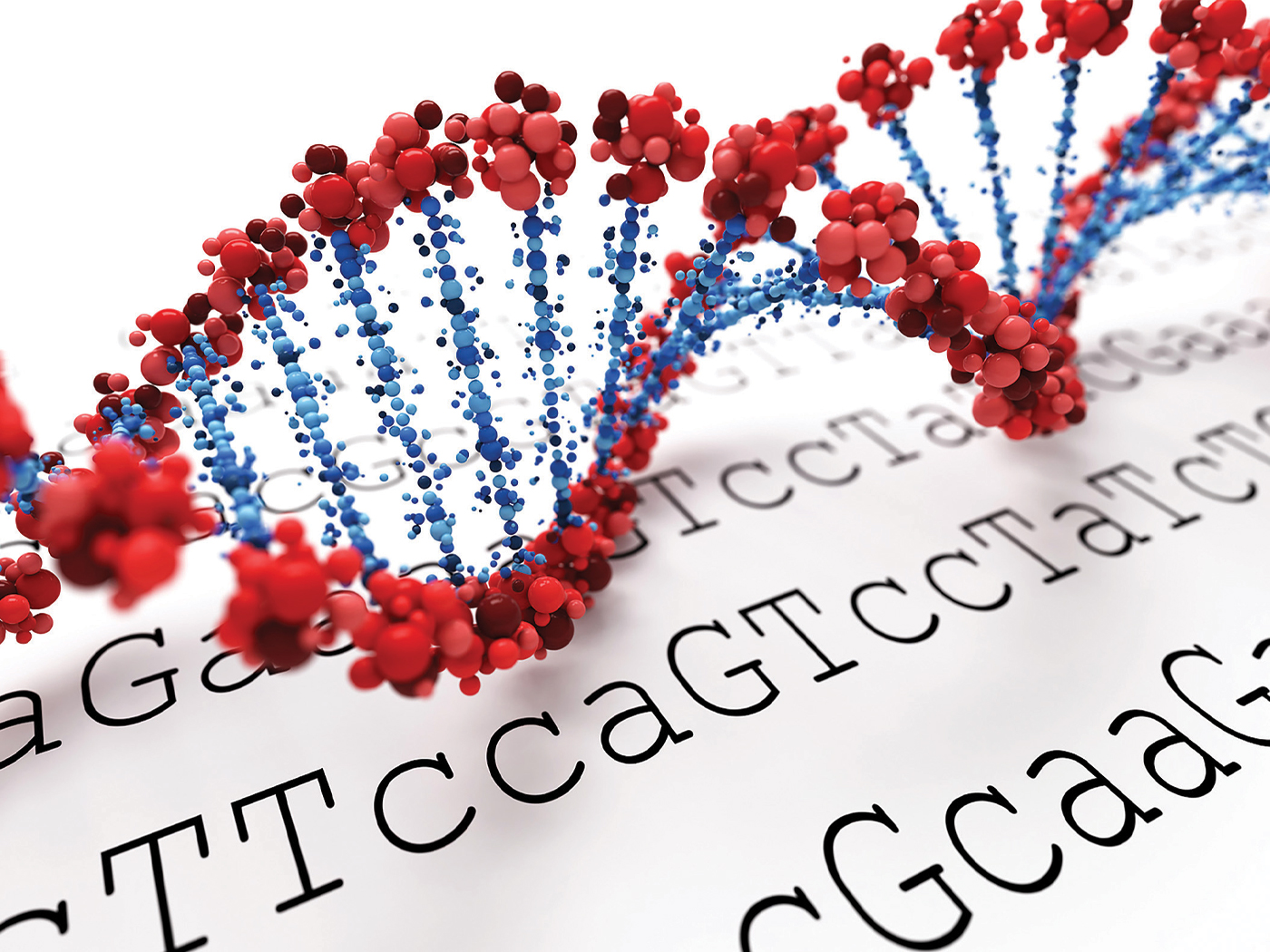
For decades, researchers have noticed that tiny chemicals called “methyl groups” piggyback on DNA molecules, and that they occur in certain patterns. Intrigued by the meaning and function of methylation patterns, especially as they relate to medicine, a five-year, $ 190-million-dollar research effort funded by the National Institutes of Health began in 2008. In one of its studies, researchers have stumbled upon a new intricacy of cell function.
Joseph Ecker of the Salk Institute for Biological Studies led a collaboration to generate the world’s first complete map of human methylation patterns, called the “methylome.” This conveys genetic information beyond the well-known patterns in DNA bases.1
Previous studies showed that DNA methylation helps cells with “gene regulation, DNA-protein interactions, cellular differentiation, suppression of transposable elements, embryogenesis, X-inactivation, genomic imprinting and tumorigenesis.”2 Ecker said in a Salk Institute press release that this new study “will lead to a better understanding of how genome function is regulated in health and disease but also how gene expression is influenced by diet and the environment.”3
Some of the team’s results confirmed what researchers had suspected. For example, in embryonic stem cells, DNA was more densely “methylated”—or covered with methyl groups—than in a differentiated cell. Also, they found less methylation in areas where DNA interacts with proteins. These observations indicate that precise regions of DNA are more thickly covered with methyl groups in order to isolate them from use by the cell. This way, the correct proteins are manufactured at just the right time.
However, they also found unexpected methylation patterns. One type, called “CG Methylation,” was long known to occur. Another category, “non-CG methylation,” was thought to be insignificant, but this study reported that stem cells have “highly expressed genes containing threefold higher non-CG methylation density than non-expressed genes.”3 Thus, biologists now have to sort out yet another cellular mechanism that, like most of the human genome, they understand is important but aren’t quite sure why.4
Those who keep up with cell science often cannot help but be impressed with the high state of design they observe in the cell. For example, after studying DNA transcript regulation, researchers Melissa Moore and Nick Proudfoot recently concluded,
At every point along the way, multifunctional proteins and [ribonucleoprotein] complexes facilitate communication between upstream and downstream steps, providing both feedforward and feedback information essential for proper coordination of what can only be described as an intricate and astonishing web of regulation.5
In like manner, these methylome studies confirm “a highly dynamic, yet tightly controlled, landscape” essential to proper regulation of certain cell processes.3
The living world is full of features small yet robust, and well-regulated yet elegant. It is therefore quite natural to ascribe their origins to a transcendent Creator. It is increasingly difficult in light of ongoing scientific discovery to ignore the fact that “the LORD thy maker…hath stretched forth the heavens, and laid the foundations of the earth.”6
References
- See Thomas, B. Epigenetics: More Information than Evolution Can Handle. ICR News. Posted on icr.org January 30, 2009, accessed October 16, 2009.
- Lister, R. et al. 2009. Human DNA methylomes at base resolution show widespread epigenomic differences. Nature. Published online October 14, 2009.
- What drives our genes? Salk researchers map the first complete human epigenome. Salk Institute for Biological Studies press release, October 14, 2009.
- For example, these authors concluded with the vague notion that these newly discovered non-CG methylation patterns “suggest possible alternative roles for DNA Methylation” (ref. 1).
- Moore, M. J. and N. J. Proudfoot. 2009. Pre-mRNA Processing Reaches Bach to Transcription and Ahead to Translation. Cell. 136 (4): 688-700.
- Isaiah 51:13.
* Mr. Thomas is Science Writer at the Institute for Creation Research.
Article posted on October 22, 2009.