Many plants have cancer-fighting properties. Researchers have known for some time that cabbages and their near relatives, broccoli and cauliflower, can help prevent certain cancers. A recent study has uncovered how that activity works in body cells to fight breast cancer.1
The research, published in the December issue of Carcinogenesis, explored the anti-carcinogenic properties of these vegetables on the cellular level.2 The plants contain a compound called sulforaphane, which interferes with microtubule formation, a necessary event in cell division. As cells in a cancerous tumor try to divide, they are hindered by the compound. Sulforaphane activity is similar to other anti-cancer drugs that are currently available, but it is less toxic and less potent.
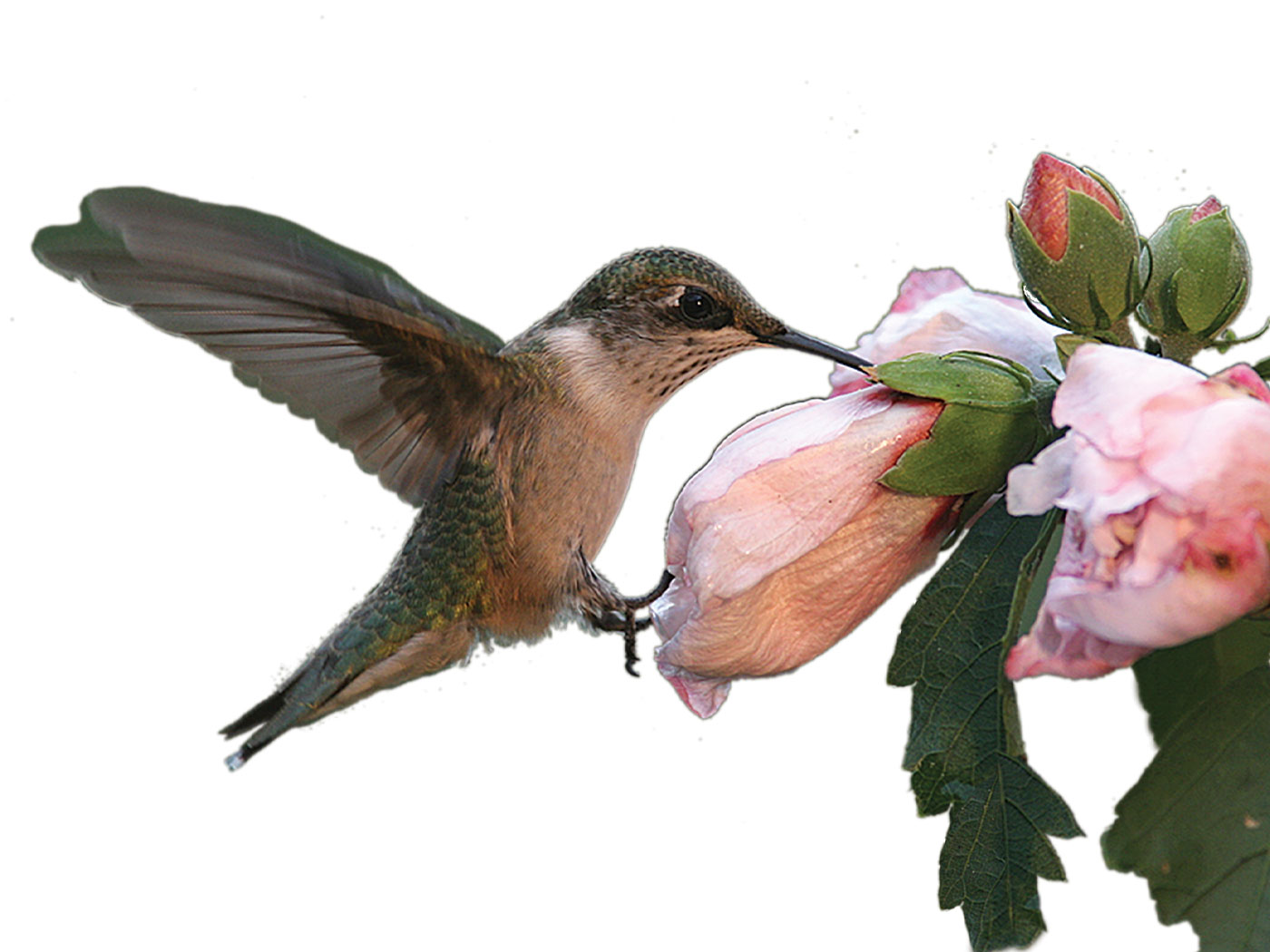
Most pharmaceuticals are products (or derivatives of products) of nature—mostly plants. But why would evolution, which is supposed to operate by survival and reproduction of the fitter individuals in a population, develop plants that waste their valuable resources to manufacture compounds that seem to offer themselves no survival advantage?3
In contrast, it is perfectly consistent with the biblical model for plants to offer “others-centered” products that confer specific health benefits to the creatures that depend on them. Genesis 1:31 describes an originally “very good” world, where God provided for man “every herb bearing seed, which is upon the face of all the earth, and every tree, in the which is the fruit of a tree yielding seed; to you it shall be for meat [food].”4
Thanks are in order both to those who are working to discover how certain compounds manifest their health benefits, as well as to the Creator who provided His creation with plant sustenance infused with beneficial compounds.
References
- UCSB Scientists Show How Certain Vegetables Combat Cancer. University of California, Santa Barbara press release, December 23, 2008.
- Azarenko, O. 2008. Suppression of microtubule dynamic instability and turnover in MCF7 breast cancer cells by sulforaphane. Carcinogenesis. 29 (12): 2360-2368.
- Demick, D. 2000. The Unselfish Green Gene. Acts & Facts. 30 (6).
- Genesis 1:29.
* Mr. Thomas is Science Writer.
Article posted on January 7, 2009.