The often-asked question "Do you believe in evolution?" expects the answer "Of course!" Don't only ignorant yokels have any doubt? But polls consistently reveal that a great majority of Americans do not believe in the evolution of all life forms from a common ancestor. Why isn't evolution something you can know for sure, not just something in which you can believe?
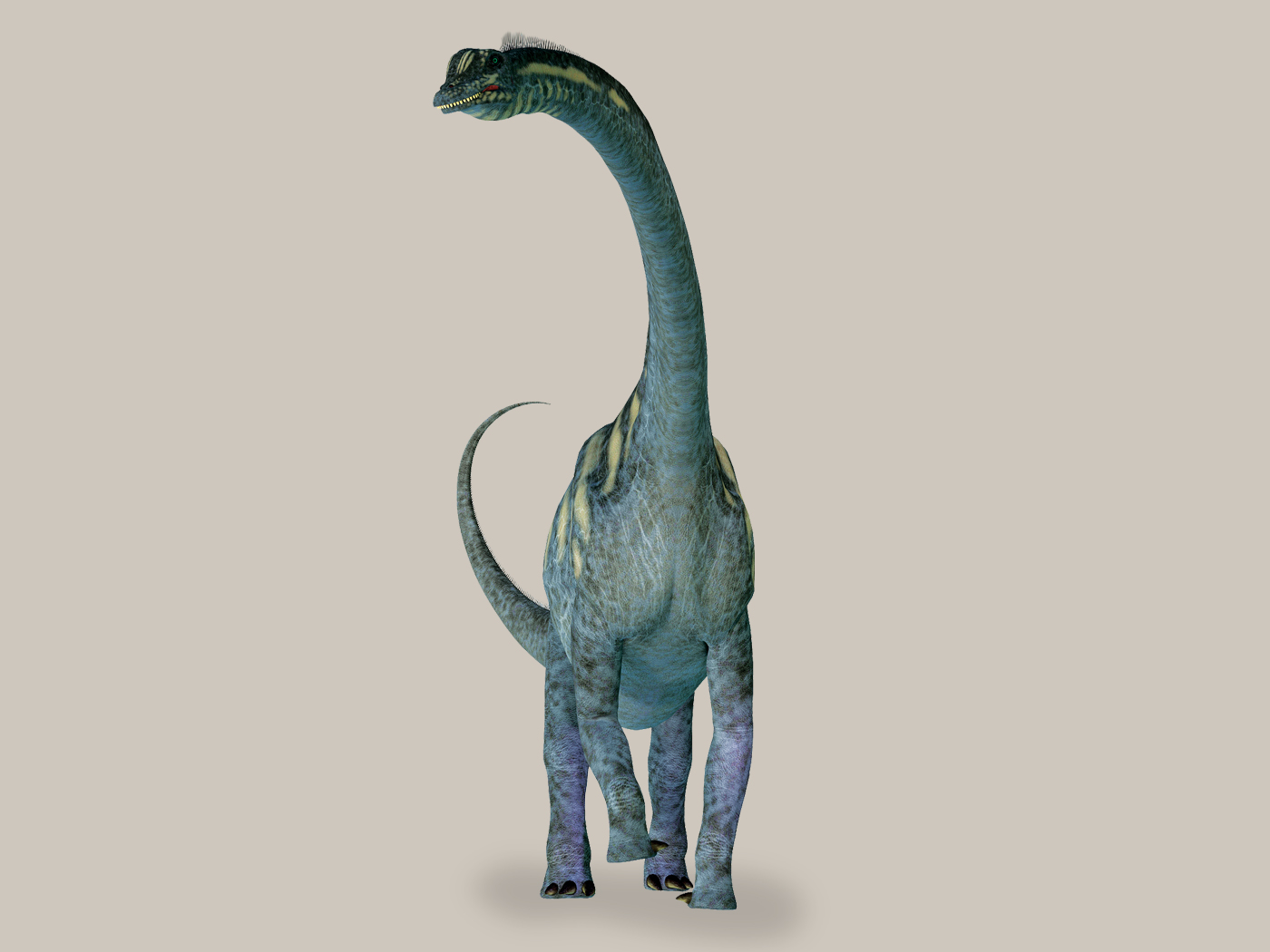
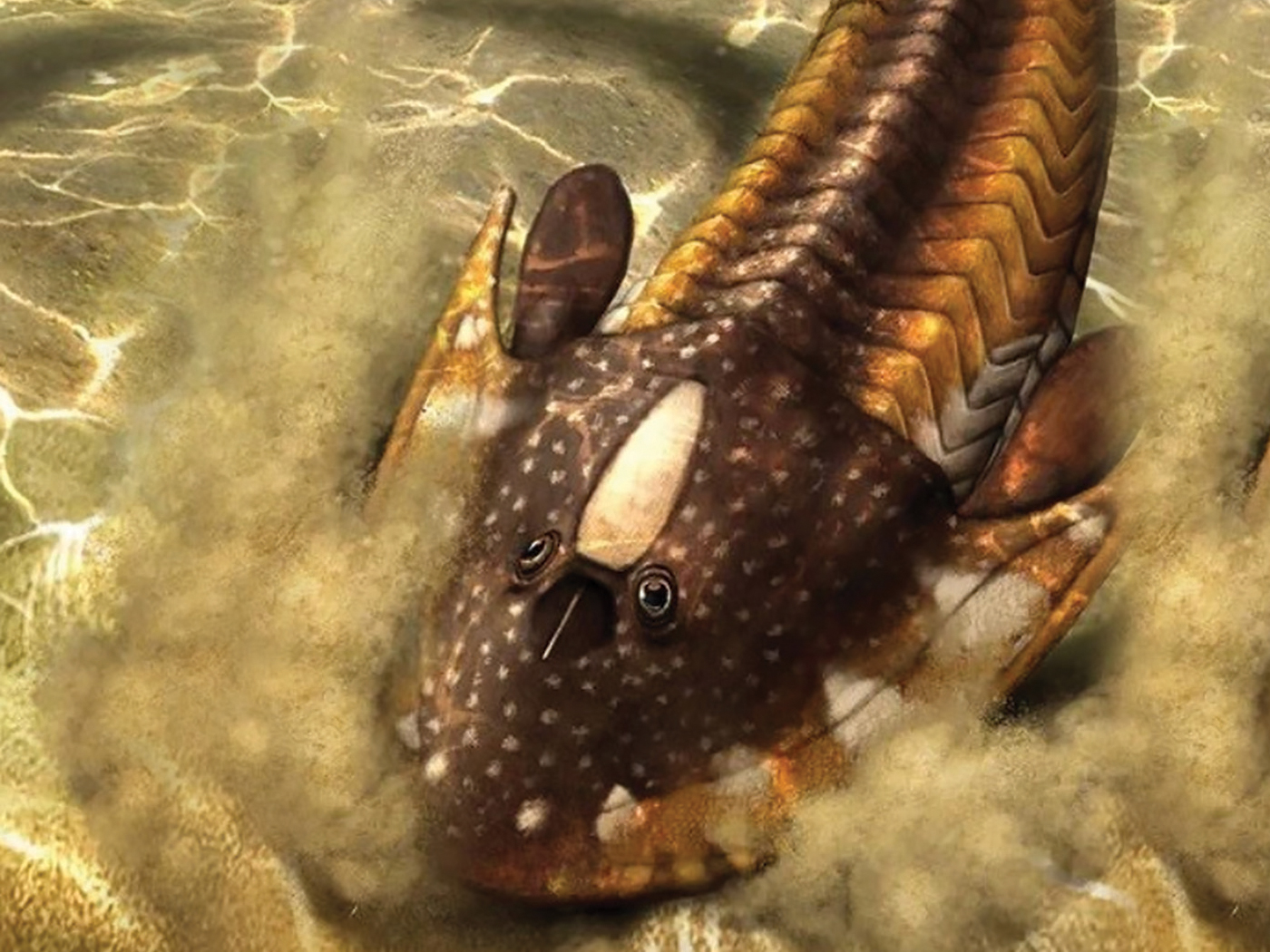
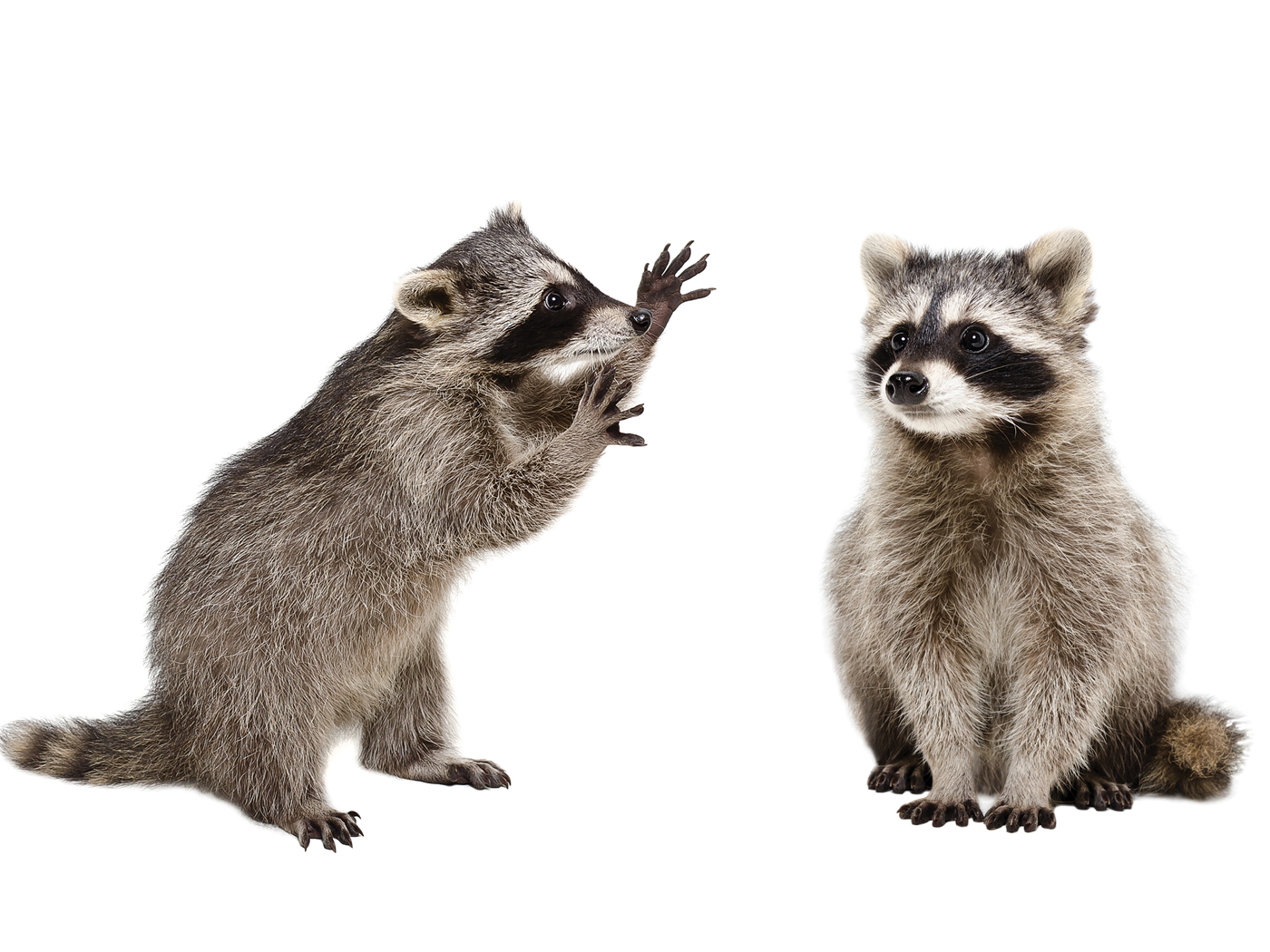
As always, it helps to define terms. First, evolution is the "descent from a common ancestor" model, the idea that all of life came from more primitive forms. Humankind came from an ape-like ancestor that came up through the mammals from an original rodent-like creature. All mammals came from early reptiles and amphibians, which all came from fish. And the fish came from some marine invertebrate like a snail or starfish, which had still earlier evolved from single-celled life.
Thus, a more revealing question might be "Do you believe your ancestors were fish, as evolution teaches?" Or, "Are you a mutated rodent-like creature?" Fewer people would be inclined to answer, "Yes!" Despite several generations now of aggressive evolution-only teaching in the public school classroom, most people just know that they didn't come from a fish or a rodent or a starfish. They can choose to believe they have an animal ancestry, but few do. It just isn't believable. Thankfully, it isn't the only alternative explanation for origins, and the other is not only more believable, it's more appealing.
Dr. Michael Ruse, perhaps the most eloquent spokesman for evolution today, has admitted:
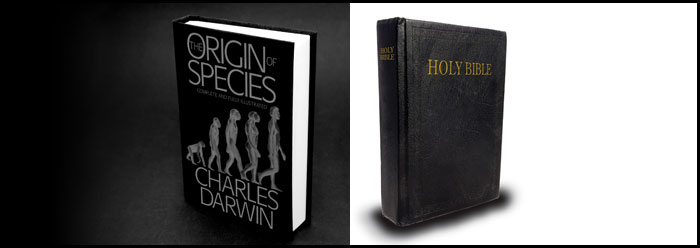
Evolution is promoted by its practitioners as more than mere science. Evolution is promulgated as an ideology, a secular religion--a full-fledged alternative to Christianity, with meaning and morality. I am an ardent evolutionist and an ex-Christian, but I must admit that in this one complaint…the literalists are absolutely right. Evolution is a religion. This was true of evolution in the beginning, and it is true of evolution still today.1
Christianity has its God and its revealed truth. It tells us our origins, who we are, where we came from, the meaning of life, and where we're going after we die. It tells us how to live and how to make life decisions along the way. Created in the image of God, we have great worth in His eyes, and great standing before Him as we appropriate His gift of redemption, a great destiny to perform on earth, and life with our loving and righteous Creator/Savior after death.
Evolution answers these same questions differently. We are and come from the universe's chemicals that have self-organized into unlikely forms over eons of time. Single-celled life transformed itself into higher forms until finally the human animal came along. As higher animals, we have incorporated animal behavior into societal norms and even "religious" beliefs. The only true meaning to life is survival and reproduction, and life's highest goal is to pass on one's genes more efficiently than others. After life, we simply cease to exist.
As Dr. Ruse explains, "Evolution is a religion," and not a science at all. It might be best understood as a worldview, a way of thinking and making sense of the world around us. Some, such as Eugenie Scott, have called this worldview "philosophical materialism," a religious claim of naturalism that holds that nature is all there is. There is no supernatural Being who has ever interfered with the natural order of things. Surely this is a religious claim regarding all of reality.
And surely it's not the only or the best such claim. As constitutional attorney Wendell Bird has pointed out: "Evolution is at least as religious as creation, and creation is at least as scientific as evolution." Creation is also more believable.
Reference
- Ruse, Michael. Saving Darwinism from the Darwinians. National Post, May 13, 2000, B-3.
* Dr. Morris is President of the Institute for Creation Research.
Cite this article: Morris, J. 2008. The Contrasting Religions of Creation and Evolution. Acts & Facts. 37 (11): 13.