 Mosquitoes hatch from tiny eggs and spend a few days filter-feeding on things like bacteria, pollen, and algae. They molt three times as they grow, storing up the energy reserves needed to pupate in a manner similar to a butterfly. Their “chrysalis” has a shrimp-like tail that enables them to swim while they morph into a flying insect.
A couple days later they emerge from the pupae shell and the whole process starts over. Complex? Yes. So, let’s take a look at just the egg. It’s not a simple shell. What we find is an exquisitely designed life-preserving environmental interface system.
An Aedes aegypti mosquito lays eggs right above the waterline on a moist surface. The embryo can survive in the egg an astounding five years while it waits for the right conditions.1 How does the embryo survive harsh environments and hatch only when conditions are ideal? It’s due to the brilliant design of the mosquito egg.
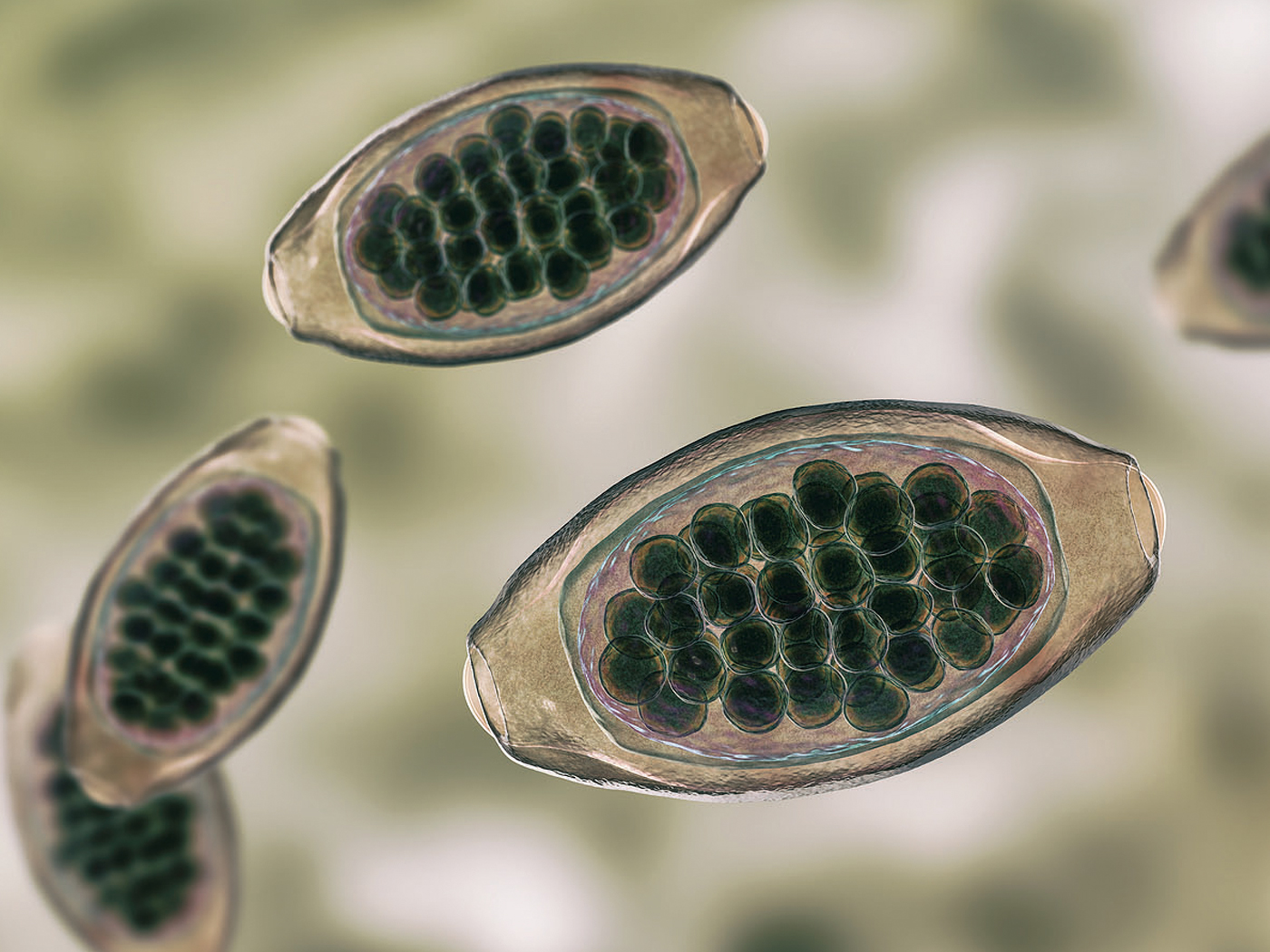
The egg shell isn’t a single layer but actually four (Figure 1). The outer two layers—exochorion, endochorion, and the air gap they create—keep the embryo from running out of oxygen even if the egg is completely submerged. The outer layer, exochorion, is a hydrofuge—it sheds water like a duck’s back.
It’s also covered with a beautiful micropattern of bumps called tubercles (Figure 2). These tubercles increase the surface area of the exochorion exposed to the surrounding water and act as a gill, enabling the egg to “breathe” by gas exchange from dissolved gases present in the water.2 These bumps also resist biofouling (clogging) because of their special hexagonal micropattern. This has inspired the design of new technology to utilize this ingenious effect, a process known as bioinspiration.
The egg first starts out with only the outer two layers. The embryo inside waits for some important processes to finish and then excretes a jelly-like serosa membrane that completely surrounds the embryo.3 This membrane then secretes a cuticle containing chitin that allows just the right amount of water to leave the egg while retaining moisture inside. The egg shell also has a brown pigment called melanin. It’s still a mystery how the melanin—also found in human skin—reduces water leaving the egg, but these two features masterfully work together so the embryo doesn’t dry up and die.
The embryo doesn’t simply mature and then hatch. It waits for just the right condition—namely, low levels of oxygen in the water. This is important for the diet of a newly hatched mosquito, which consists of bacteria and algae. The presence of both these micronutrients drastically reduces the oxygen level in water. When there are sufficient levels of this food, as indicated by low oxygen, the mosquito hatches and consumes the bacteria and algae. This is especially beneficial for other aquatic life that needs oxygen to survive.
Things seem complicated as we observe creation all around us, but if we take the time to zoom in on the details, we find even more mind-boggling complexity. This explanation of the mosquito egg is a very simplified version, but it nonetheless demonstrates the great artistry and engineering of our Creator and Savior, Jesus—the same One who created us and provides us the path to salvation.
References
- Mayilsamy, M. 2019. Extremely Long Viability of Aedes aegypti (Diptera: Culicidae) Eggs Stored Under Normal Room Condition. Journal of Medical Entomology. 56 (3): 878-880.
- Kim, H. et al. 2020. Structural characterization of the micropatterned egg plastron in the mosquito, Aedes albopictus. Entomological Research. 50 (4): 189-198.
- Rezende, G. L. et al. 2008. Embryonic desiccation resistance in Aedes aegypti : presumptive role of the chitinized Serosal Cuticle. BMC Developmental Biology. 8 (1): 82.
* Mr. Arledge is Research Coordinator at the Institute for Creation Research.