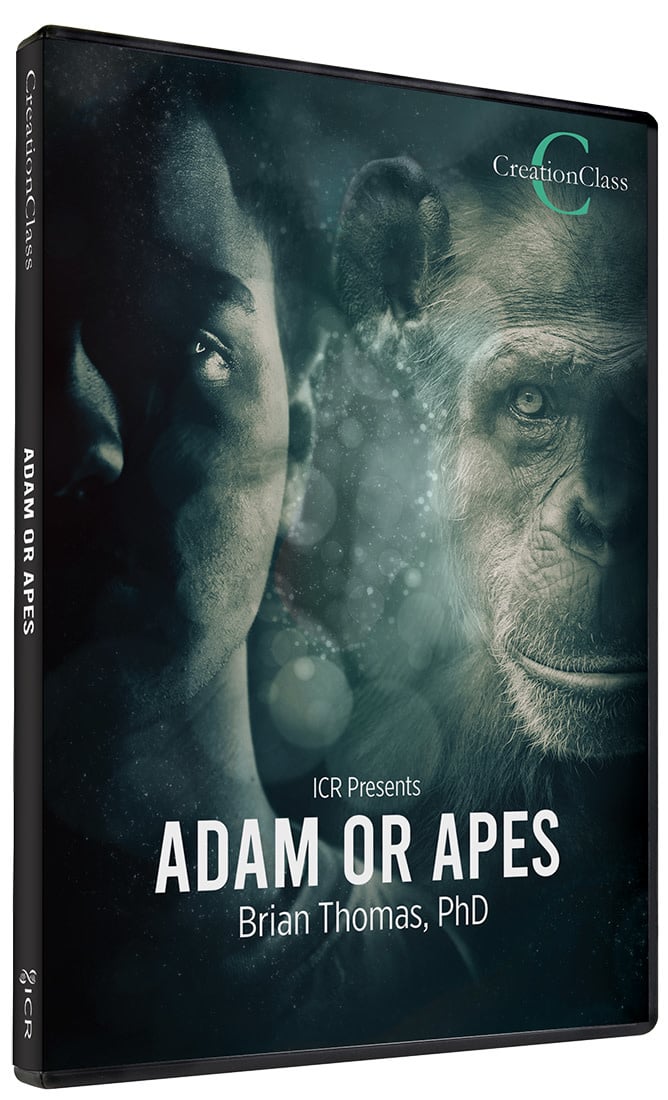
 Ideas shaping the concept of human evolution have largely played out through images. Characters with large brow ridges and sloping foreheads—including Homo neanderthalensis and Homo erectus—have consistently been depicted as the earliest forms of evolving humans. Now, new fossil evidence is turning the whole paradigm upside down.
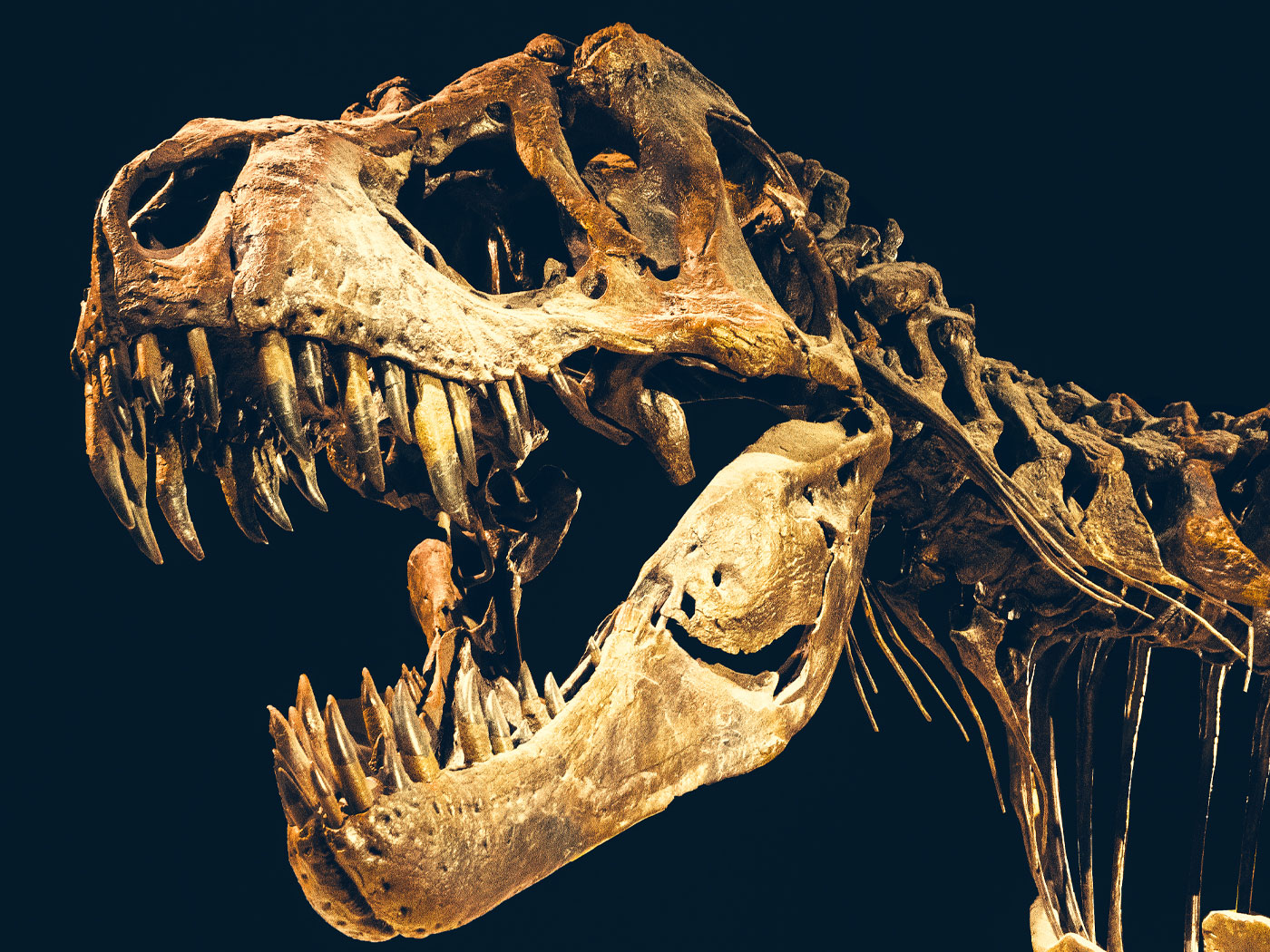
A skull fossil found in Mongolia in 2006 was linked to evolutionary icons like H. neanderthalensis and H. erectus because of its alleged “archaic” features. A recent study now dates it at about 34,000 years, which puts it in the same age range (evolutionarily speaking) as very recent humans.1 This study also extracted mitochondrial DNA from the skull and placed it within the range of modern Eurasian humans. Considering that secular scientists have dated other human skulls with “anatomically modern” features at over 300,000 years,2 these new findings of “recent” humans with archaic features highlight the abject futility of the human evolution story.
This discrepancy is reminiscent of human skulls found in Kow Swamp, Australia, reported in the journal Nature in 1972. In that study, researchers stated, “Analysis of the cranial morphology of more than thirty individuals reveals the survival of Homo erectus features in Australia until as recently as 10,000 years ago.”3
But evolution’s problem of human fossils with archaic features persisting into the very recent evolutionary past pales in light of the fact that these traits are still found in living humans. One of the best examples is former Russian boxing champion Nikolai Valuev. A profile picture of Valuev clearly shows he possesses a very prominent brow ridge along with a distinctly sloping forehead.
As things stand, the so-called fossil record for human evolution is still nothing but a collection of apes and humans with no transitional forms linking the two groups. This inconvenient fact was the subject of a 2016 Royal Society research paper bearing the provocative title “From Australopithecus to Homo: the transition that wasn’t.”4
Numerous studies have shown that Australopithecines are extinct apes with many chimp-like anatomical traits. Homo is the human genus that includes all of us modern folks along with our assumed archaic ancestors. In the Royal Society paper, the researchers bluntly state:
Although the transition from Australopithecus to Homo is usually thought of as a momentous transformation, the fossil record bearing on the origin and earliest evolution of Homo is virtually undocumented.4
So-called archaic humans have always coexisted with modern humans, just as creationists expect. 
Not only is there no fossil evidence for the evolution of humans from apes, but the so-called archaic features of alleged early evolving humans have in reality coexisted with those of anatomically modern humans throughout the Homo fossil record and are even found in humans today. Human skull trait diversity merely demonstrates the created variability that was placed there by the ingenuity of the Creator.
References
- Devièse, T. et al. 2019. Compound-specific radiocarbon dating and mitochondrial DNA analysis of the Pleistocene hominin from Salkhit Mongolia. Nature Communications. 10: 274.
- Hublin, J.-J. et al. 2017. New fossils from Jebel Irhoud, Morocco and the pan-African origin of Homo sapiens. Nature. 546: 289-292.
- Thorne, A. G. and P. G. Macumber. 1972. Discoveries of Late Pleistocene Man at Kow Swamp, Australia. Nature. 238: 316-319.
- Kimbel, W. H. and B. Villmoare. 2016. From Australopithecus to Homo: the transition that wasn’t. Philosophical Transactions of the Royal Society B. 371 (1698): 20150248.
* Dr. Jeffrey Tomkins is Director of Life Sciences at the Institute for Creation Research and earned his Ph.D. in genetics from Clemson University.